Isopor no Paranoá
A map of polystyrene in the lake. Explore what has been found and add your own observations.
Polystyrene foam is also called EPS. Over time, it breaks into tiny pieces called microplastics. We collect photos and observations to learn more about Lake Paranoá.
Why track polystyrene?
Polystyrene is found along the shore, in vegetation and in the water. By bringing together reports from different people and places, we can track where it is found and help people care for the lake.
How to take part and choose a record type
Mark the location, say how much you found and add a photo if you can. Anyone can take part.
Which type should I record?
Is most of the material 5 mm or larger?
For comparison, a grain of rice is about 5 to 7 mm long.
How we measured
The samples were photographed through a microscope and analysed using a portable AI identifier developed by Tom Silva Nunes, with Rhodamine B.
Areas in mm² show how much of the photo is covered by particles. They are two-dimensional estimates, not weight or volume. AI identification does not confirm chemical composition.
We removed the AI markings on the background and recalculated the areas. The remaining colours keep the AI classification and still need manual verification.
Each photo is 7.9 mm wide. The five controls are known EPS-free samples with a reference value of 0 mm². As the AI produced false positives on them, only the original photos are shown.
Results are estimates, not laboratory analyses. They do not indicate whether the water is safe for swimming or drinking.
The lake in numbers
Explore records by date, type and location.
Observations by month
Records with EPS, by observation date
No observations during this period.
By observation type
Breakdown by type
Visible polystyrene: 5 mm or larger. Microplastic: smaller than 5 mm.
By lake zone
Tap a zone to see it on the map.
Where it is found
Observations by environment
No observations during this period.
Visible foam size
Size of most pieces
No observations during this period.
Material shape
Visible foam observations
No observations during this period.
Recent records
Open a record to see its photos and results.
No observations during this period.
See all sample photos
1. Ponte do Bragueto
View on map →Samples 1a, 1b
Sample 1a
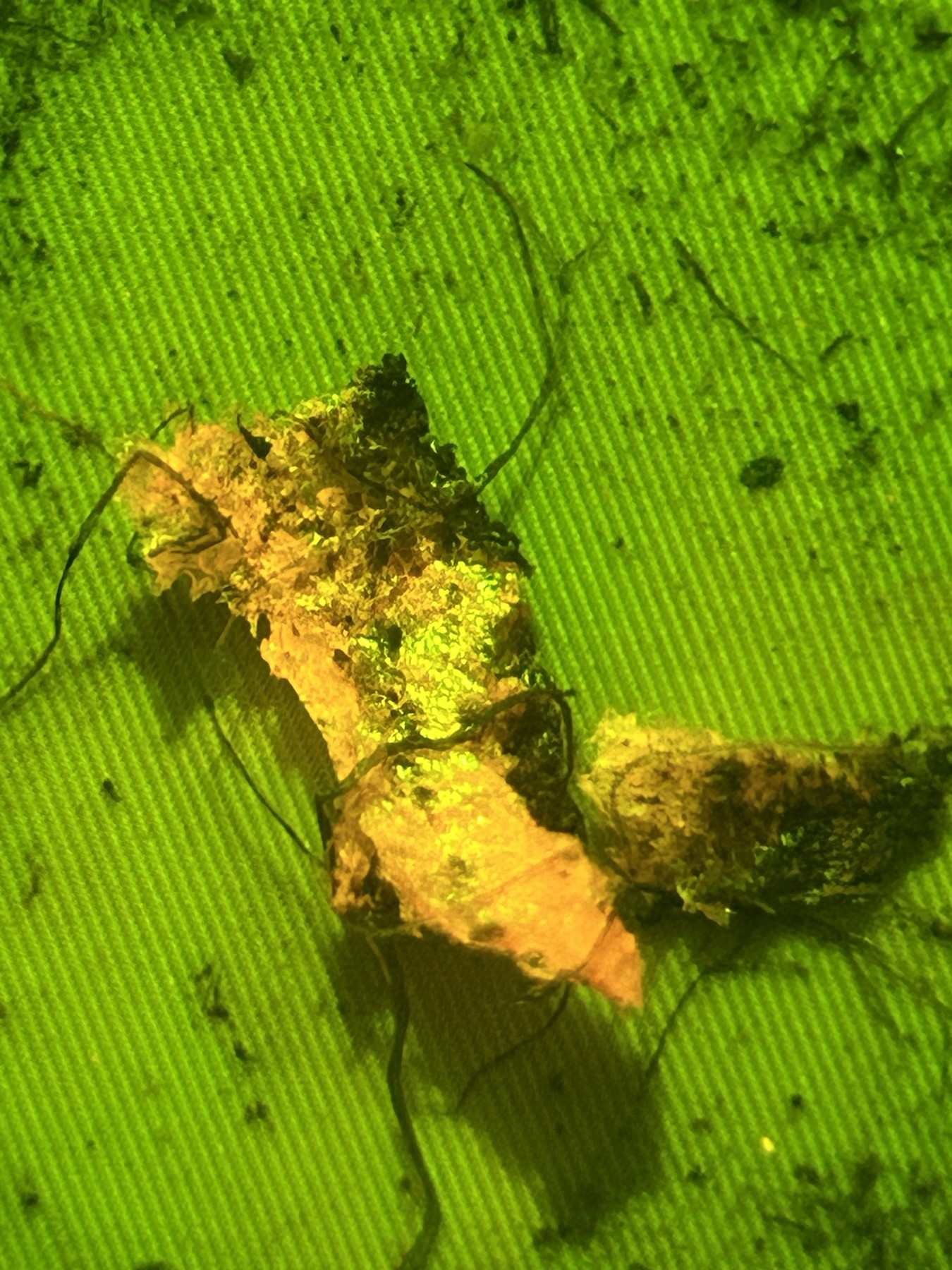
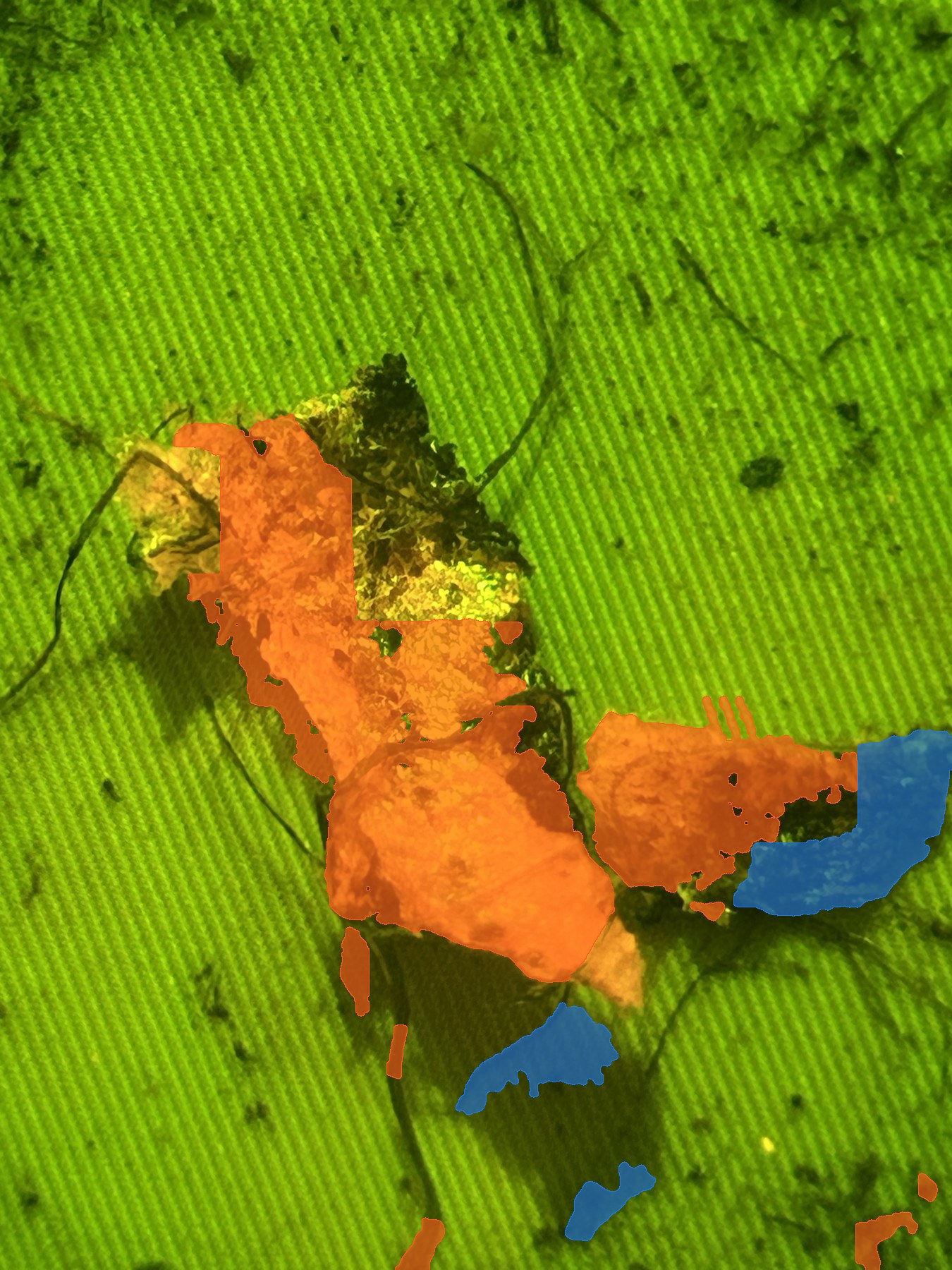
- Projected EPS area
- 10.20 mm²
Measurement details
- Non-EPS area
- 2.19 mm²
- Total particle area
- 12.39 mm²
Before correction, the AI model marked 14.33 mm² of EPS and 53.44 mm² of non-EPS, including parts of the background.
Sample 1b
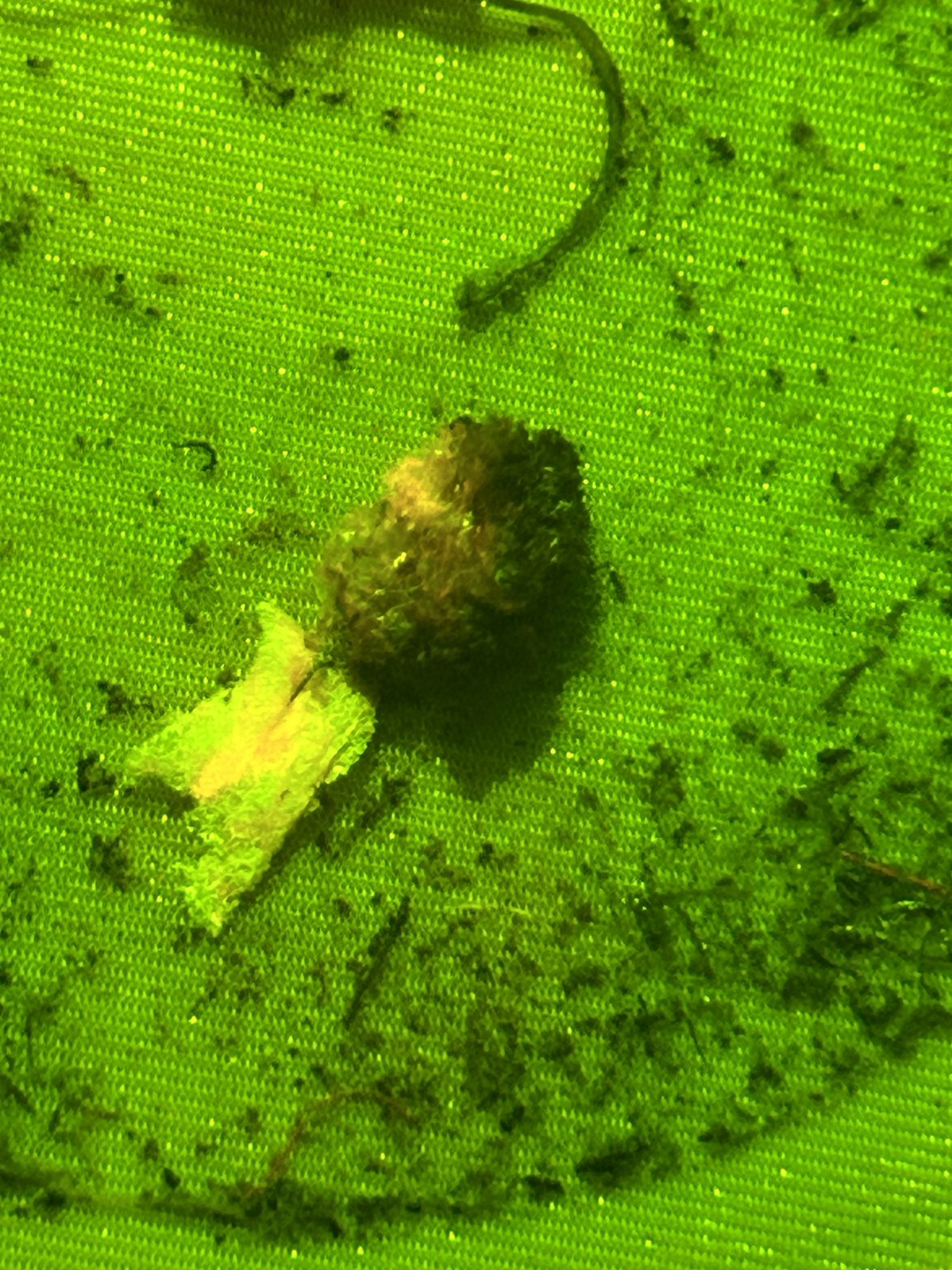
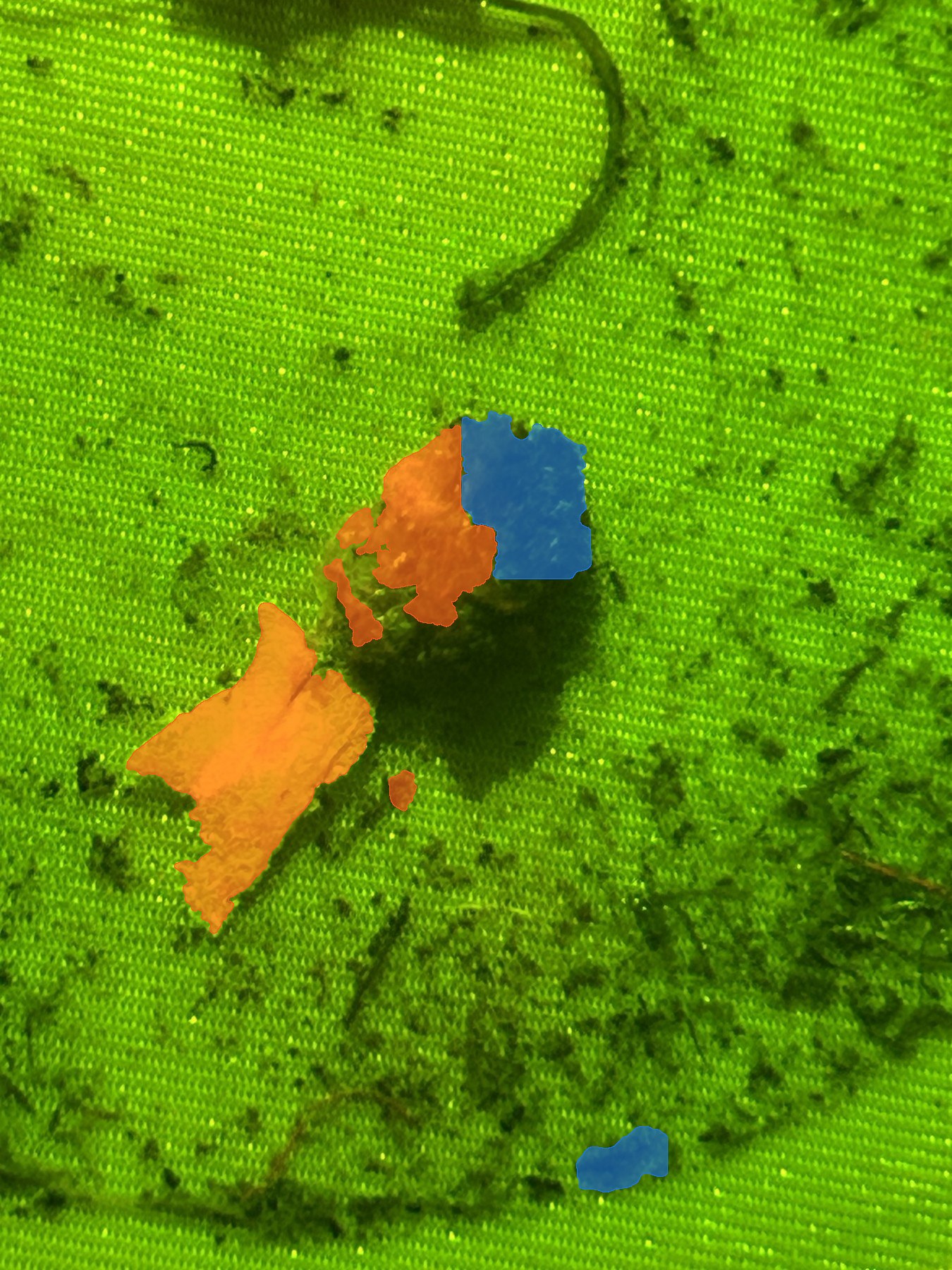
- Projected EPS area
- 3.68 mm²
Measurement details
- Non-EPS area
- 1.44 mm²
- Total particle area
- 5.13 mm²
Before correction, the AI model marked 8.11 mm² of EPS and 32.33 mm² of non-EPS, including parts of the background.
2. Concha Acústica
View on map →Samples 2a, 2b
Sample 2a
Control without EPS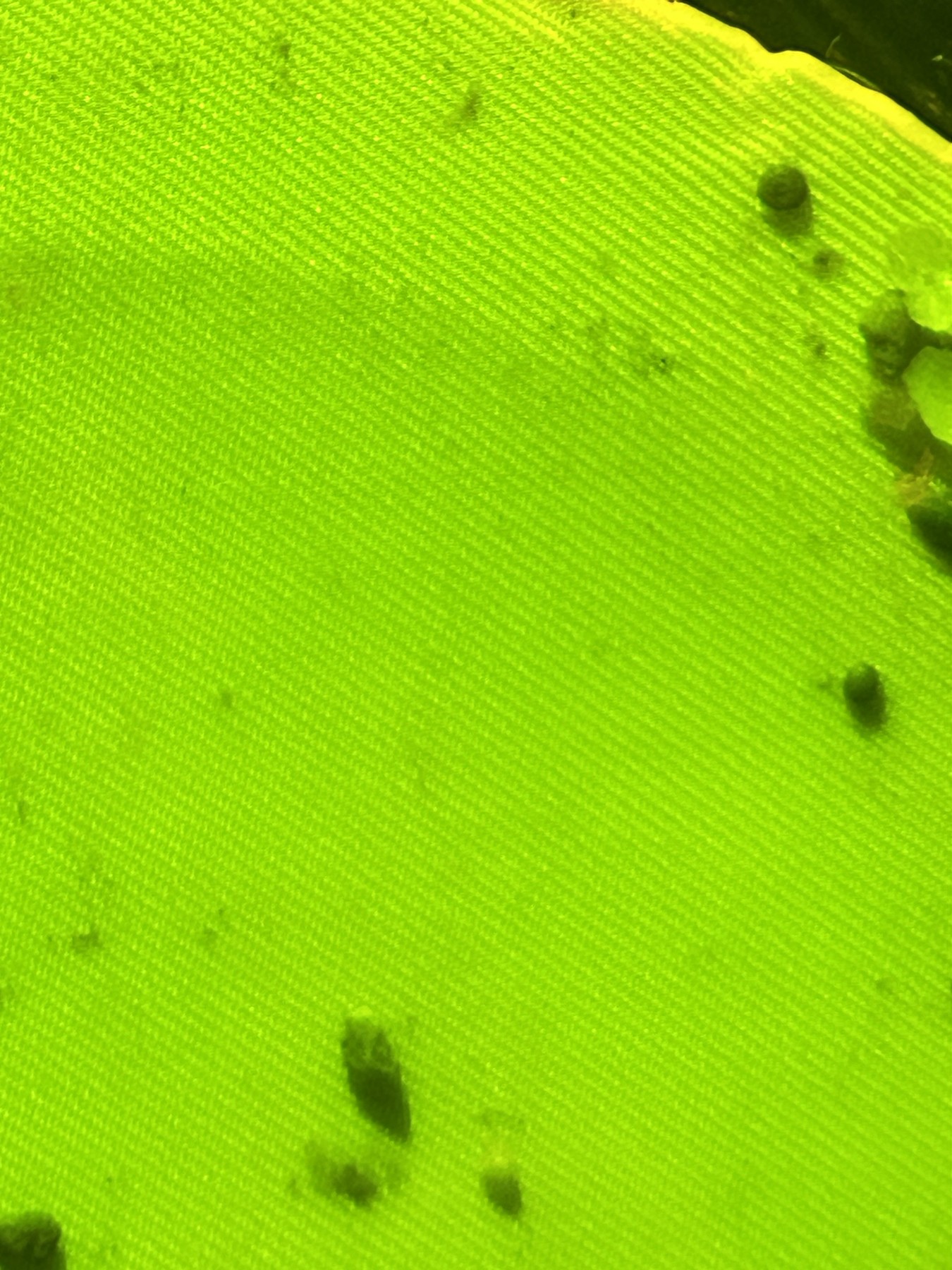
- Reference EPS area
- 0 mm²
Control: a sample known to contain no EPS.
Sample 2b
Control without EPS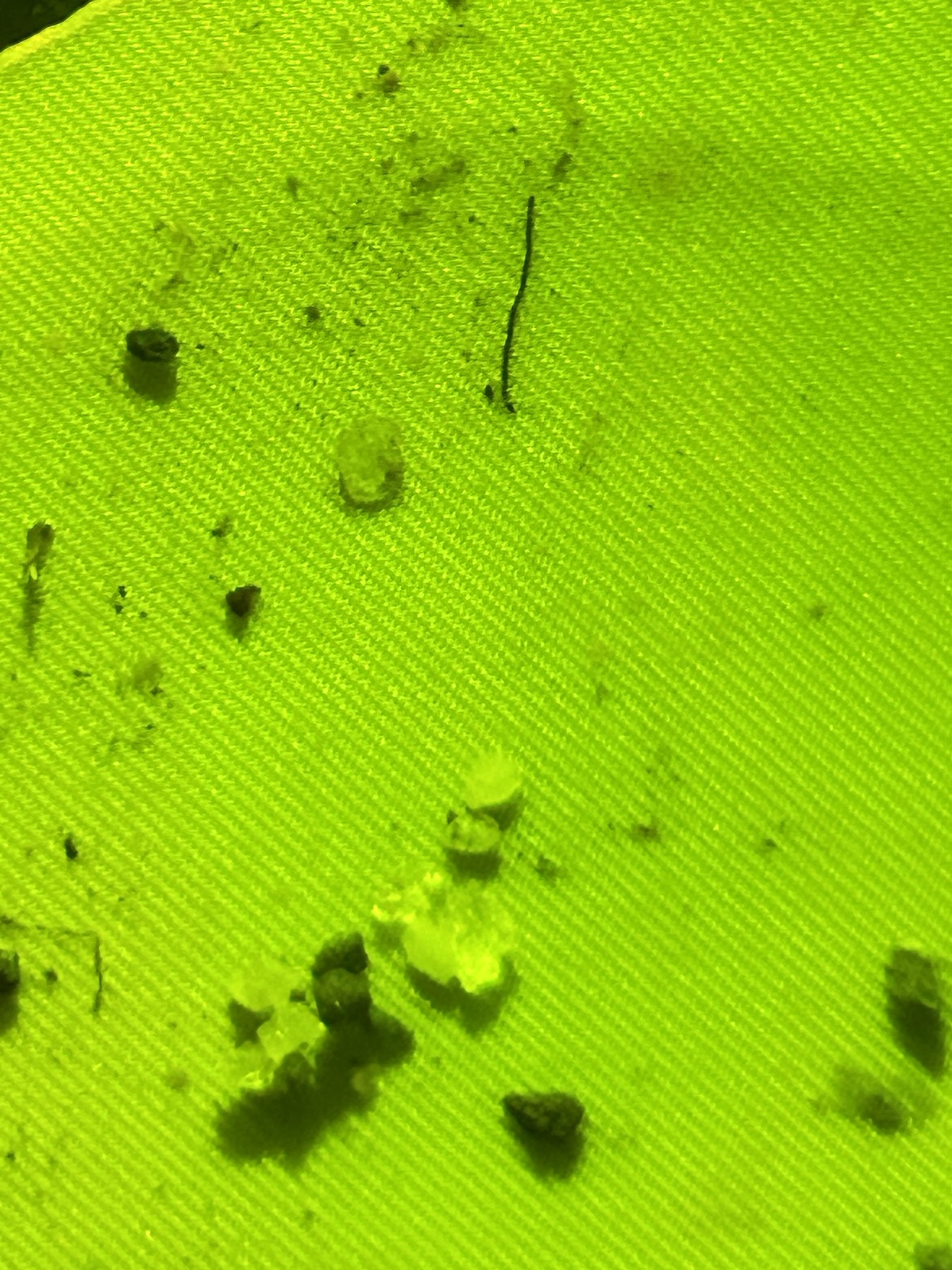
- Reference EPS area
- 0 mm²
Control: a sample known to contain no EPS.
3. Ponte JK
View on map →Samples 3a, 3b, 3c
Sample 3a
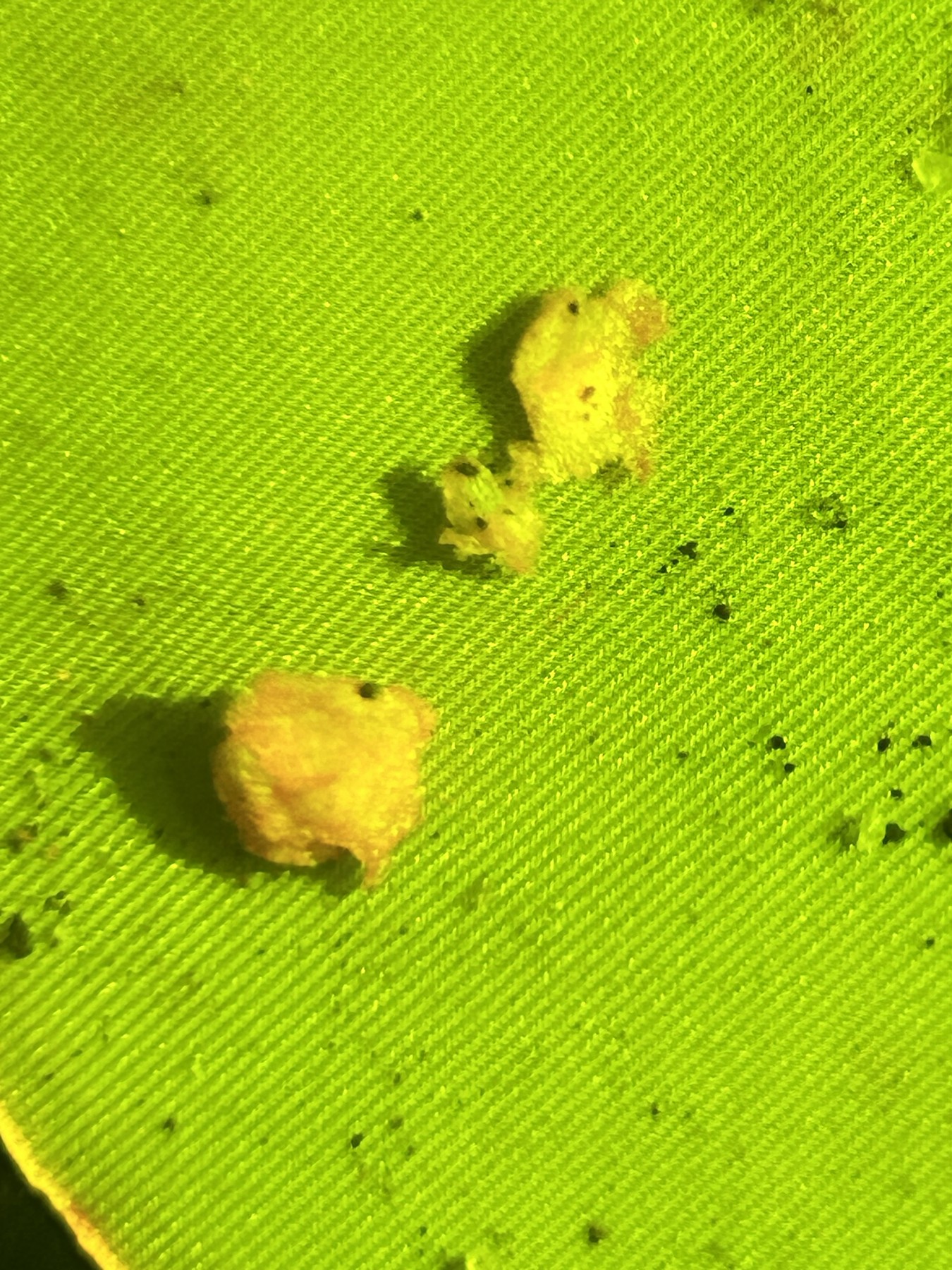
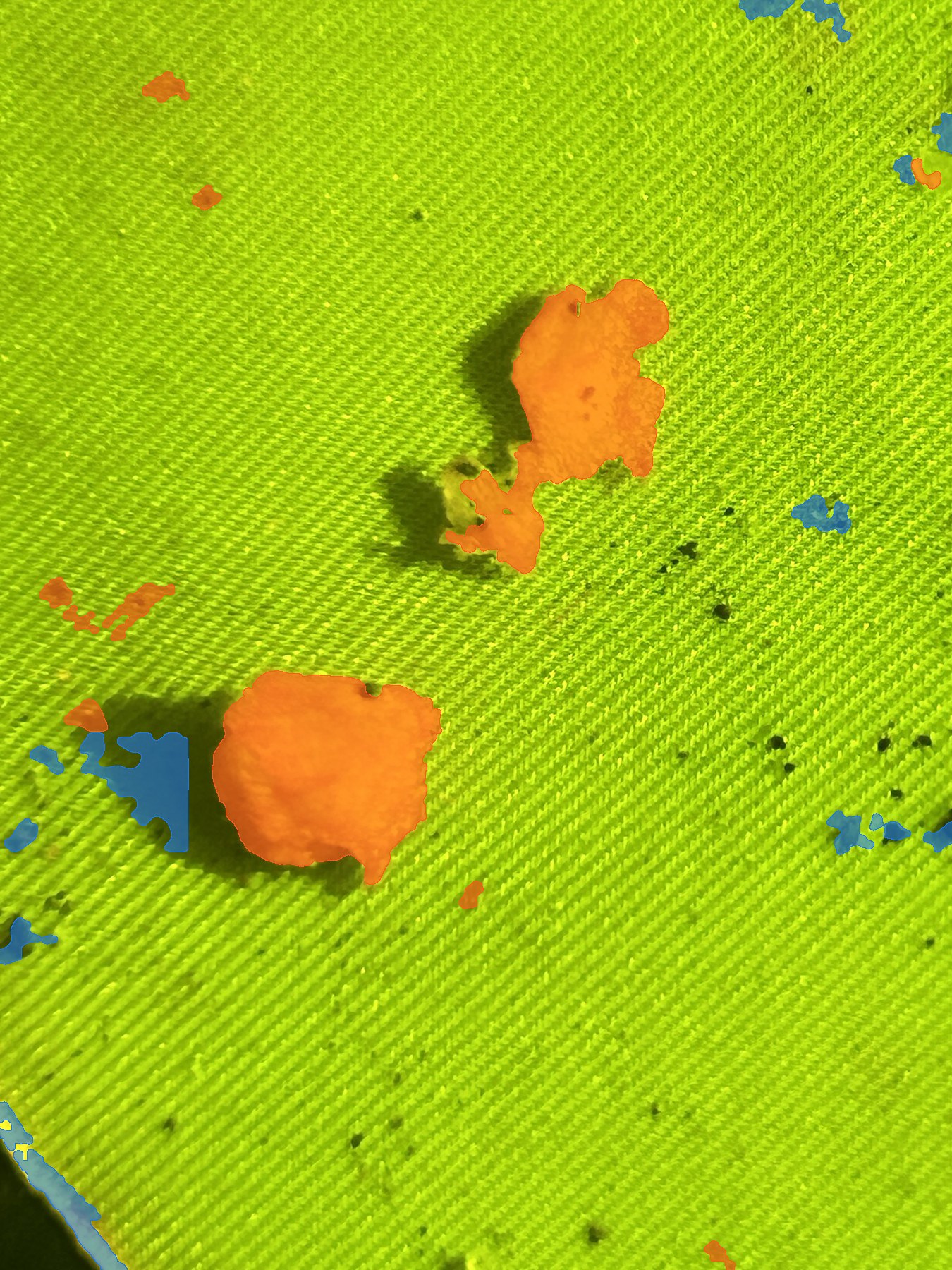
- Projected EPS area
- 4.95 mm²
Measurement details
- Non-EPS area
- 1.37 mm²
- Total particle area
- 6.33 mm²
Before correction, the AI model marked 29.06 mm² of EPS and 15.41 mm² of non-EPS, including parts of the background.
Sample 3b
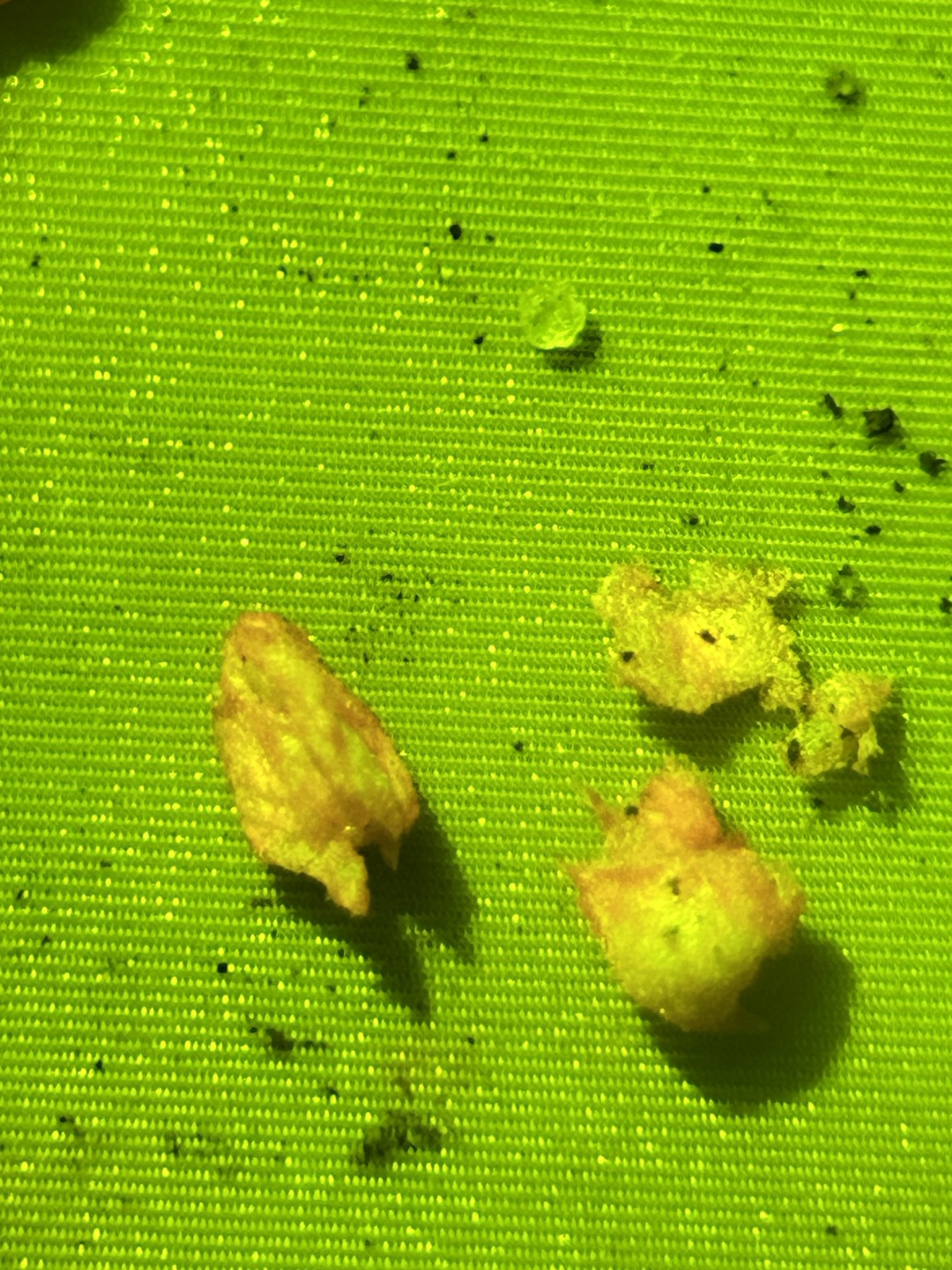
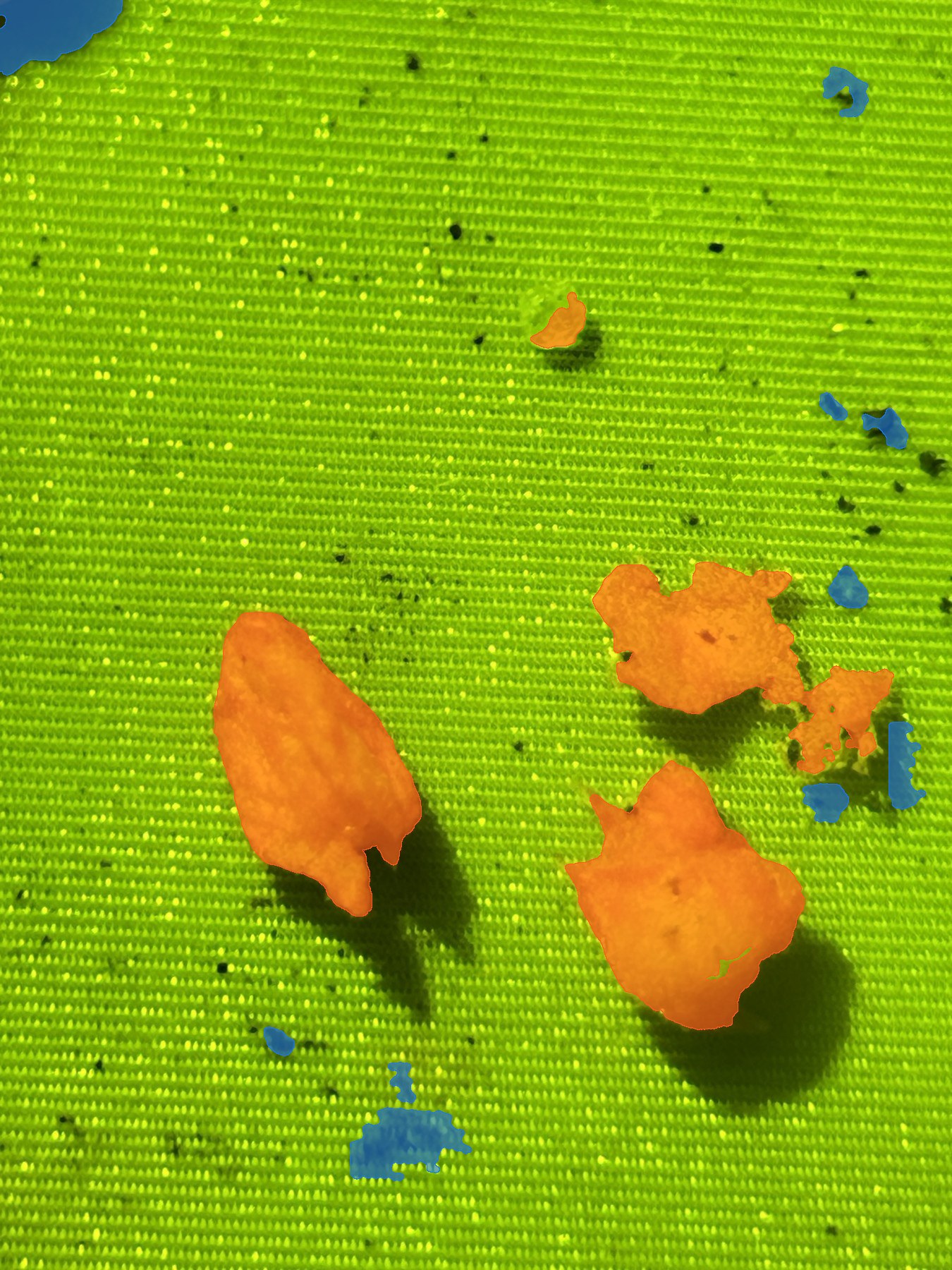
- Projected EPS area
- 7.36 mm²
Measurement details
- Non-EPS area
- 1.42 mm²
- Total particle area
- 8.78 mm²
Before correction, the AI model marked 17.67 mm² of EPS and 14.05 mm² of non-EPS, including parts of the background.
Sample 3c
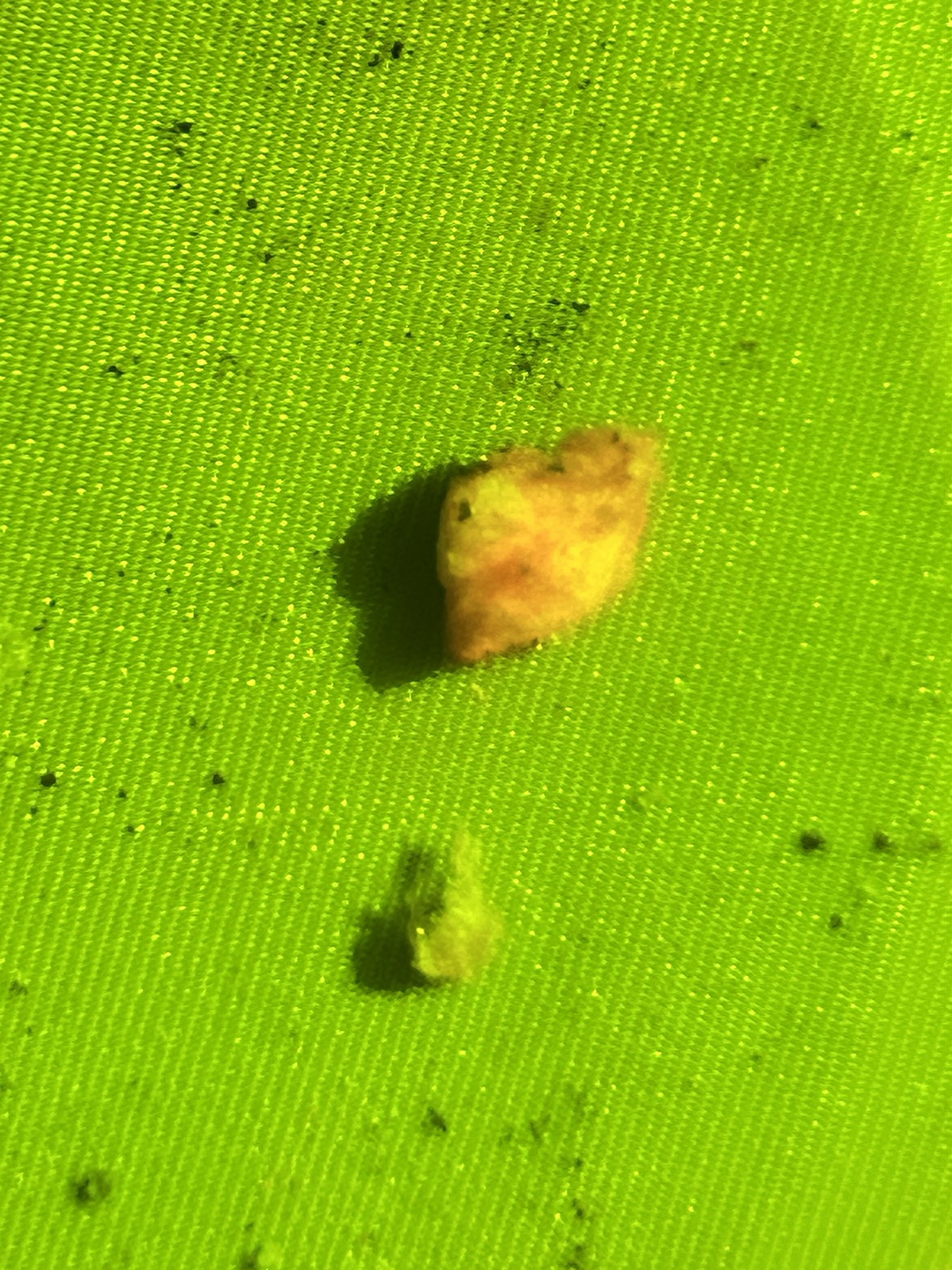
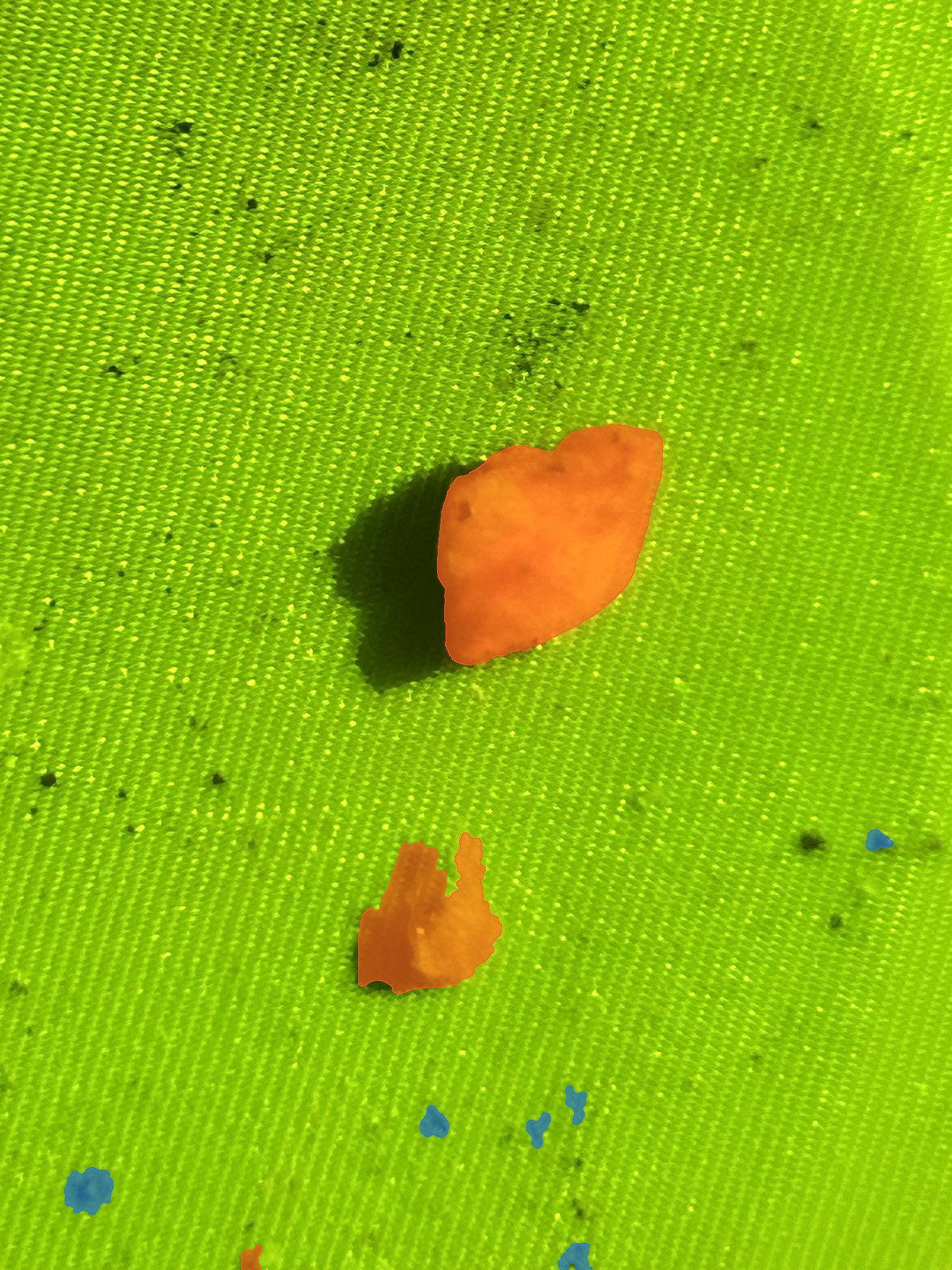
- Projected EPS area
- 3.77 mm²
Measurement details
- Non-EPS area
- 0.31 mm²
- Total particle area
- 4.08 mm²
Before correction, the AI model marked 15.54 mm² of EPS and 11.40 mm² of non-EPS, including parts of the background.
4. Prainha da Ponte Honestino Guimarães
View on map →Samples 4a, 4b
Sample 4a
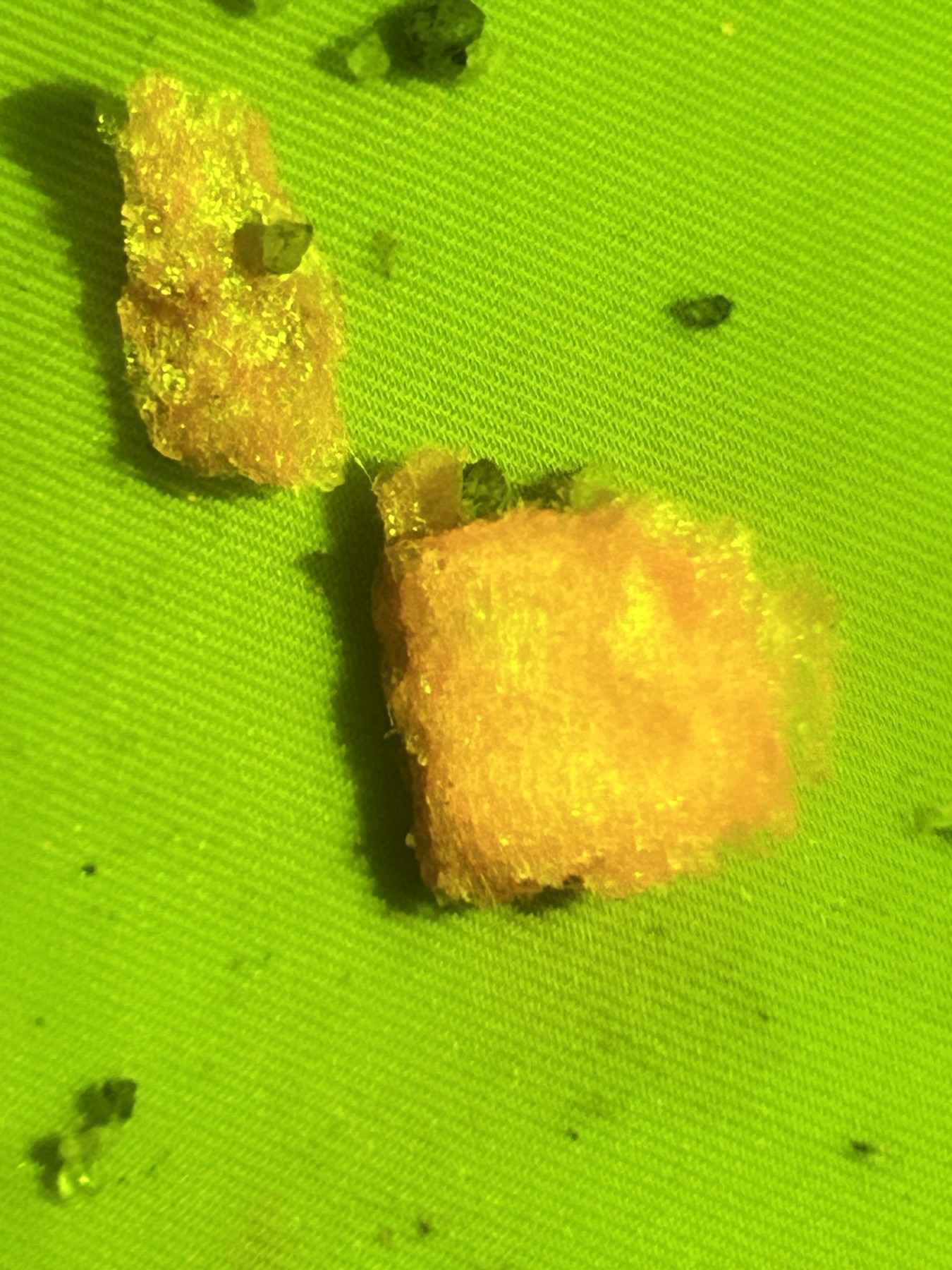
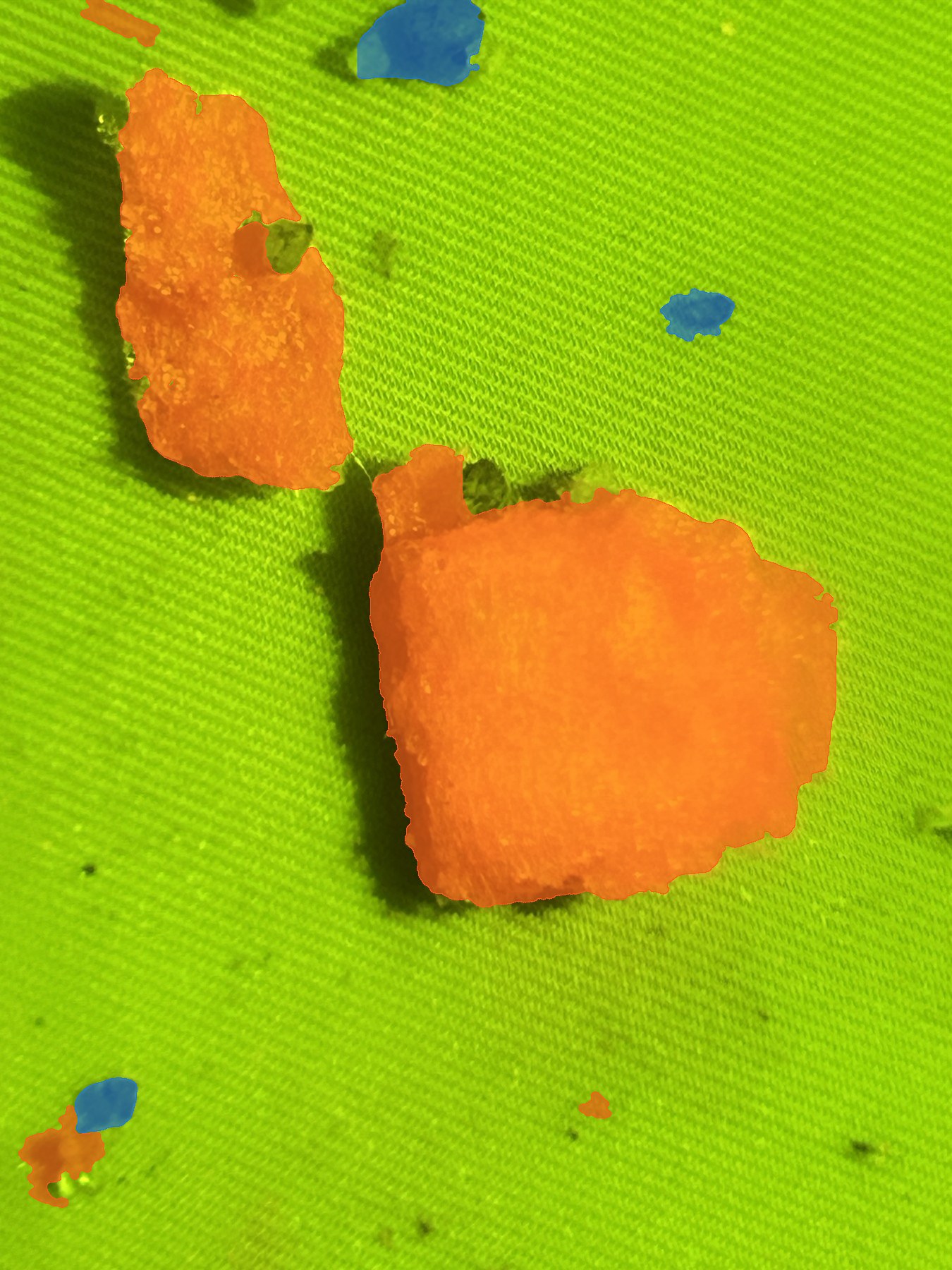
- Projected EPS area
- 16.46 mm²
Measurement details
- Non-EPS area
- 0.97 mm²
- Total particle area
- 17.42 mm²
Before correction, the AI model marked 35.18 mm² of EPS and 15.54 mm² of non-EPS, including parts of the background.
Sample 4b
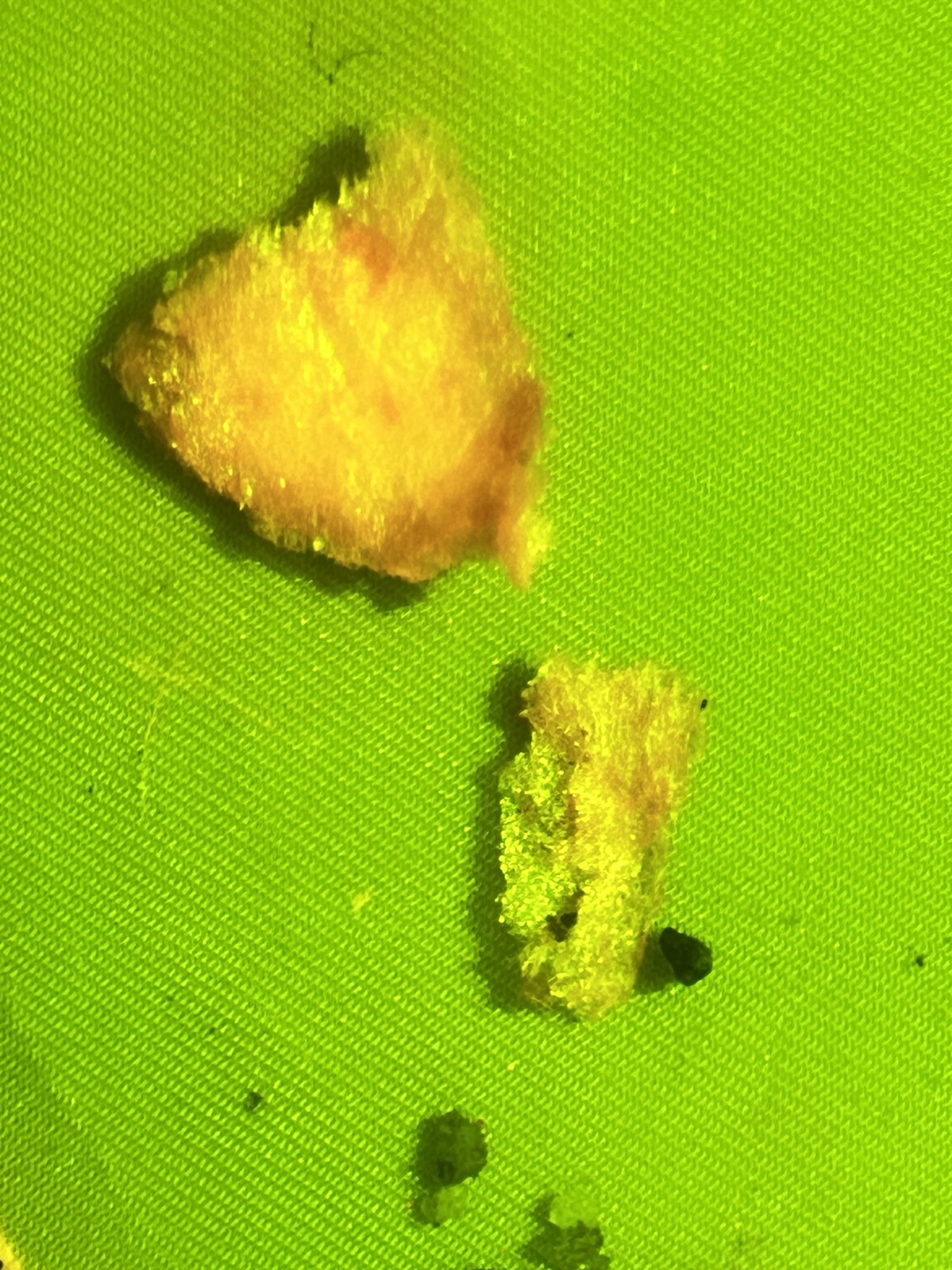
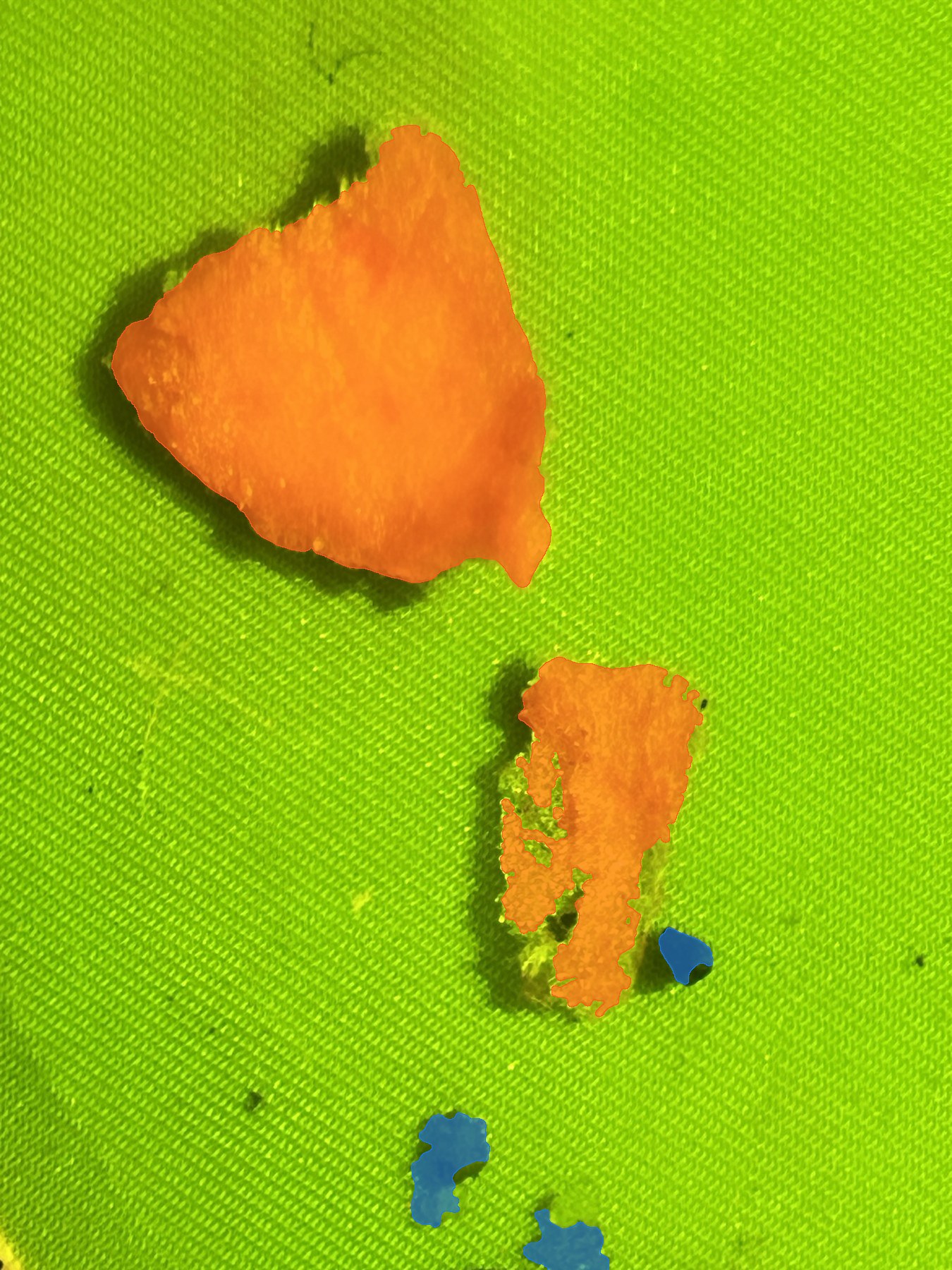
- Projected EPS area
- 11.81 mm²
Measurement details
- Non-EPS area
- 0.73 mm²
- Total particle area
- 12.53 mm²
Before correction, the AI model marked 15.31 mm² of EPS and 0.88 mm² of non-EPS, including parts of the background.
5. Ponte das Garças
View on map →Samples 5a, 5b, 5c
Sample 5a
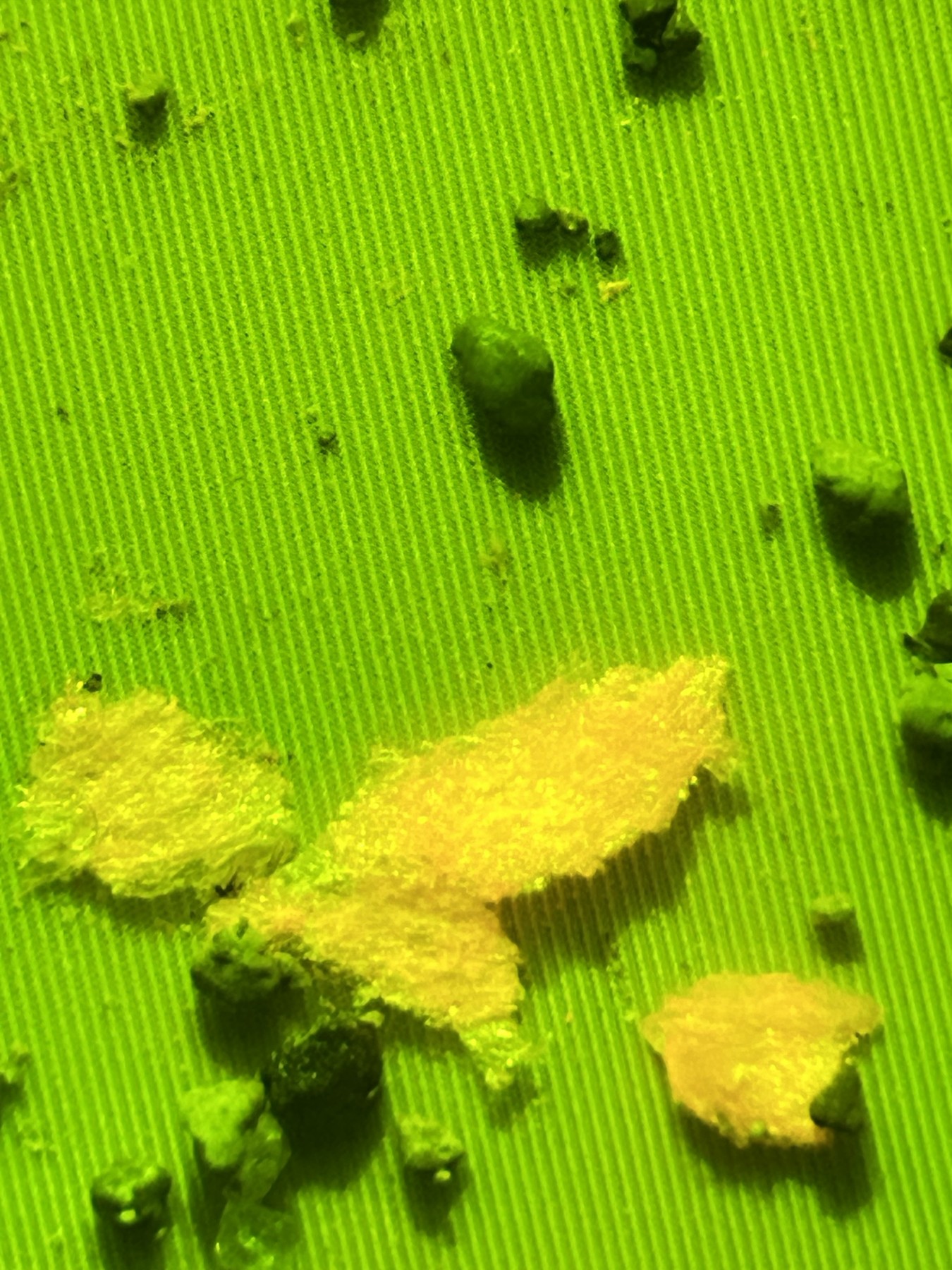
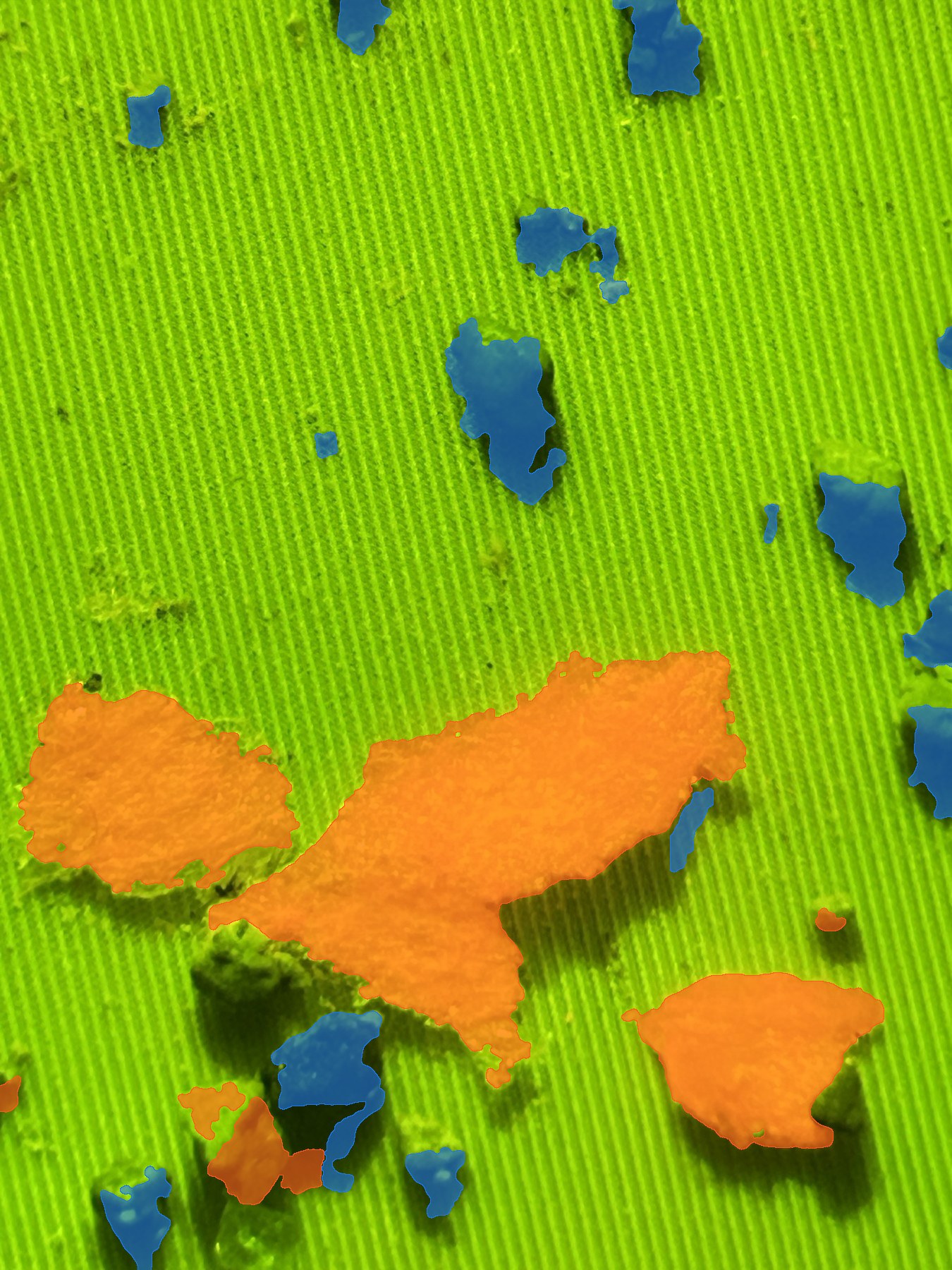
- Projected EPS area
- 12.20 mm²
Measurement details
- Non-EPS area
- 4.17 mm²
- Total particle area
- 16.37 mm²
Before correction, the AI model marked 32.44 mm² of EPS and 39.89 mm² of non-EPS, including parts of the background.
Sample 5b
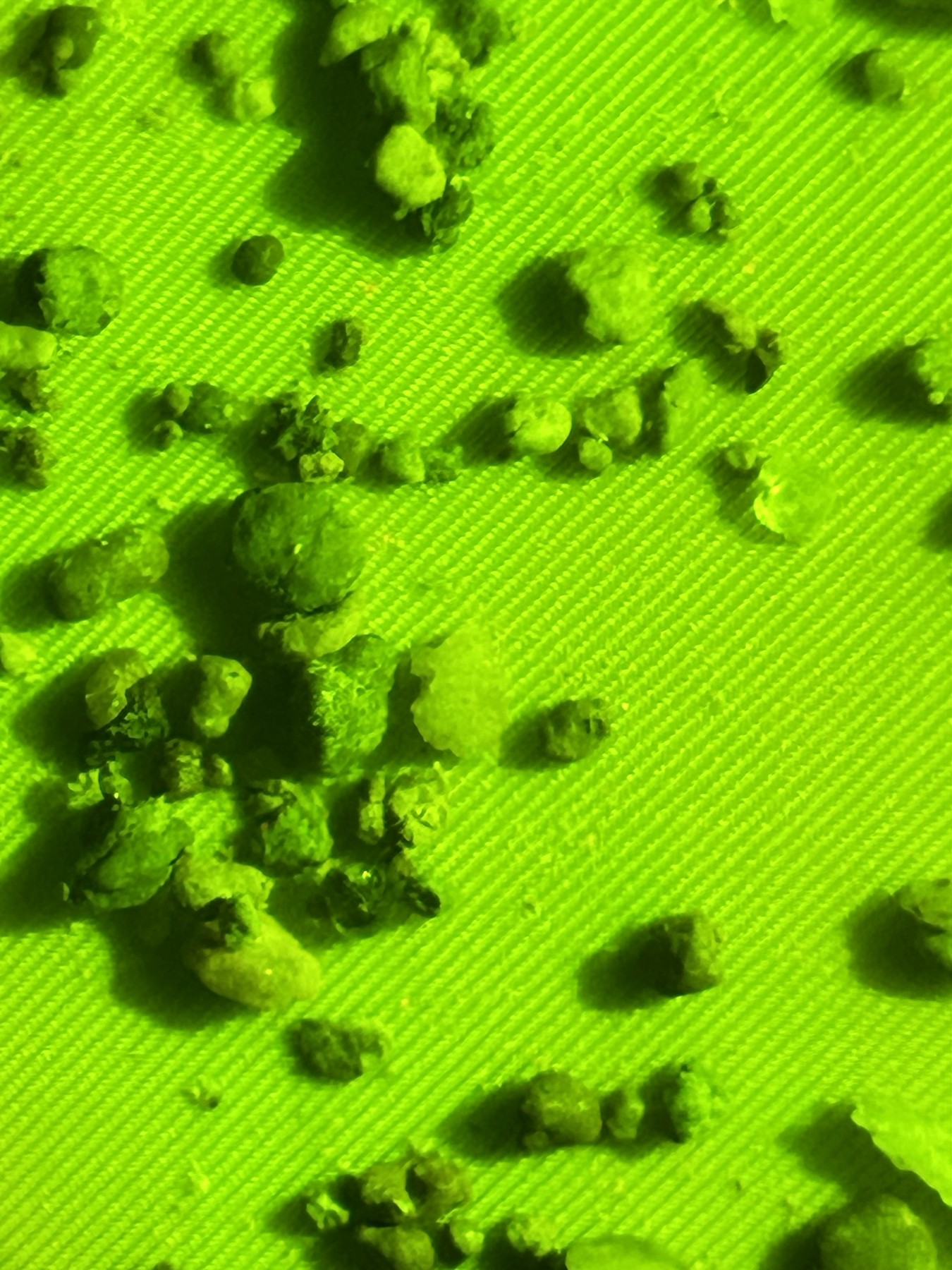
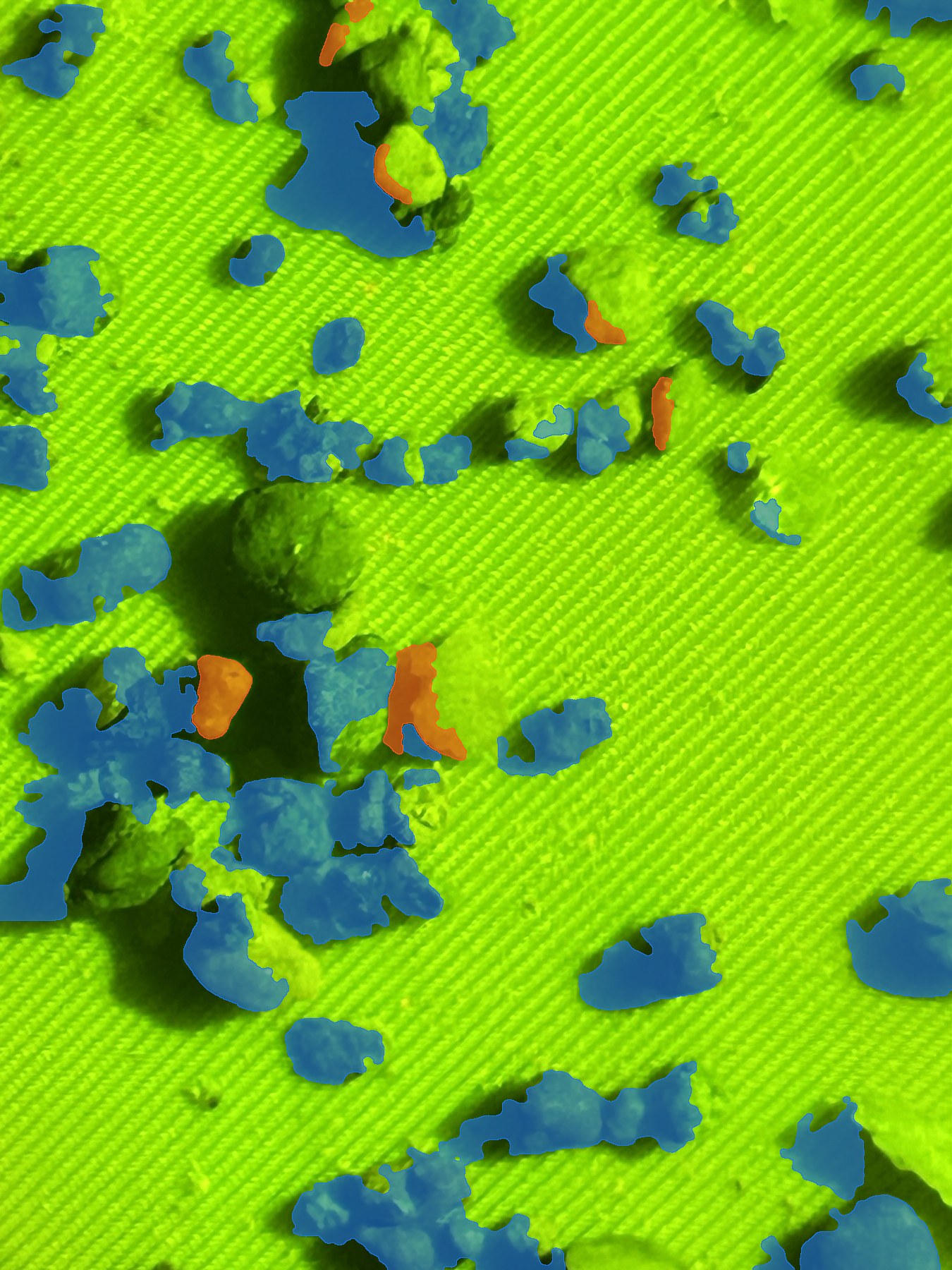
- Projected EPS area
- 0.86 mm²
Measurement details
- Non-EPS area
- 16.09 mm²
- Total particle area
- 16.95 mm²
Before correction, the AI model marked 2.70 mm² of EPS and 26.49 mm² of non-EPS, including parts of the background.
Sample 5c
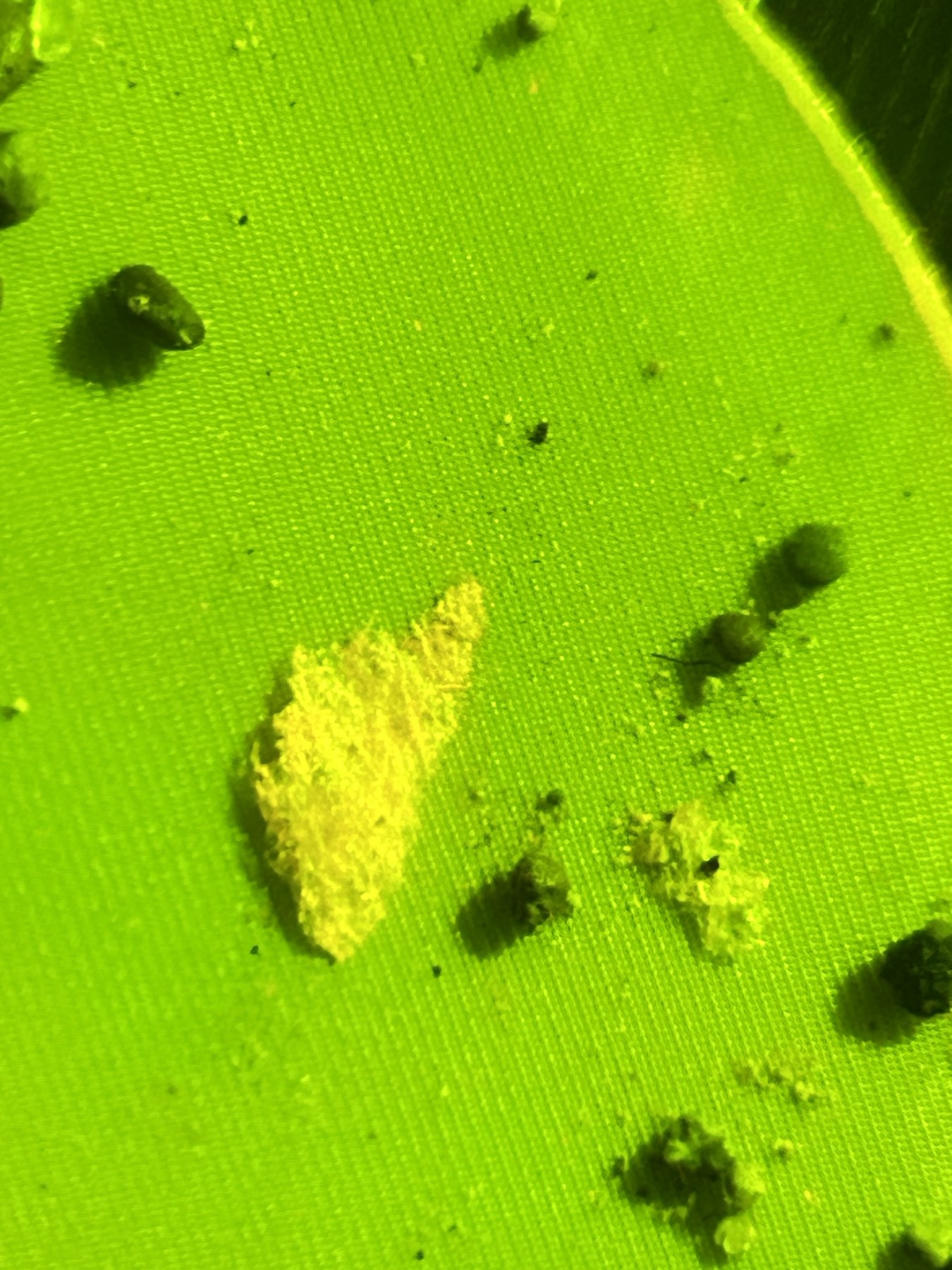
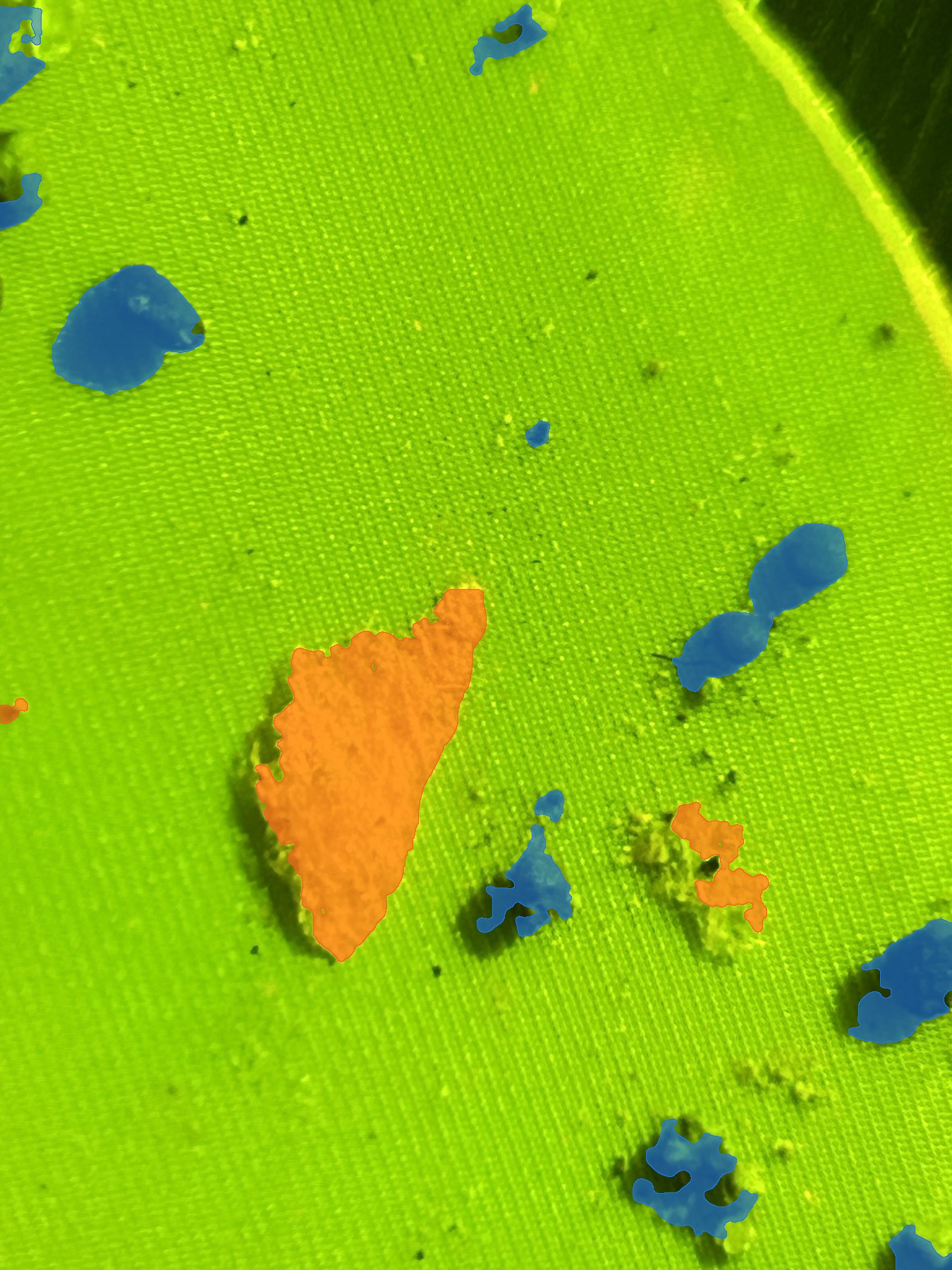
- Projected EPS area
- 3.54 mm²
Measurement details
- Non-EPS area
- 3.60 mm²
- Total particle area
- 7.14 mm²
Before correction, the AI model marked 13.85 mm² of EPS and 12.80 mm² of non-EPS, including parts of the background.
6. Prainha do Lago Norte
View on map →Samples 6a, 6b, 6c
Sample 6a
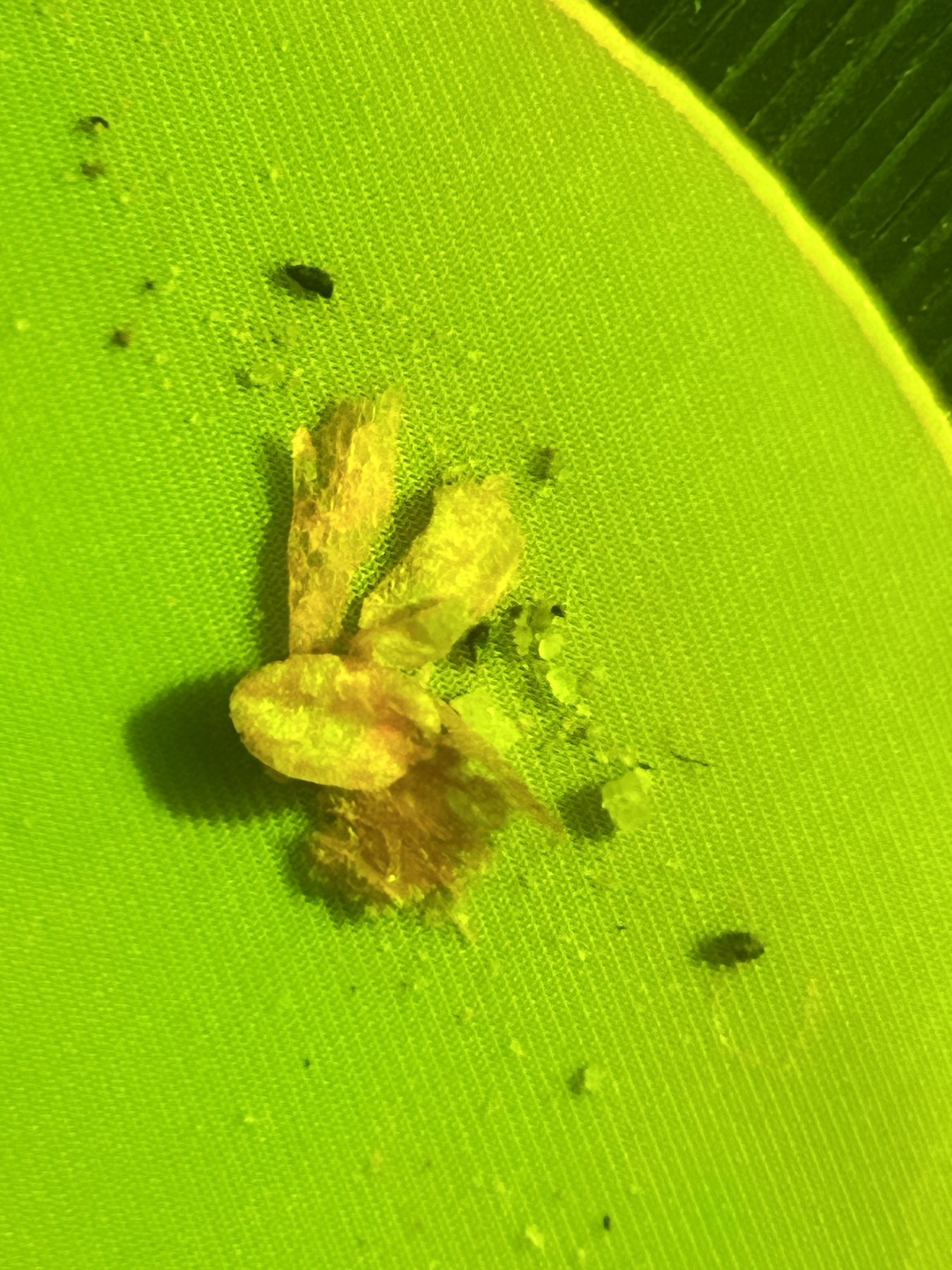
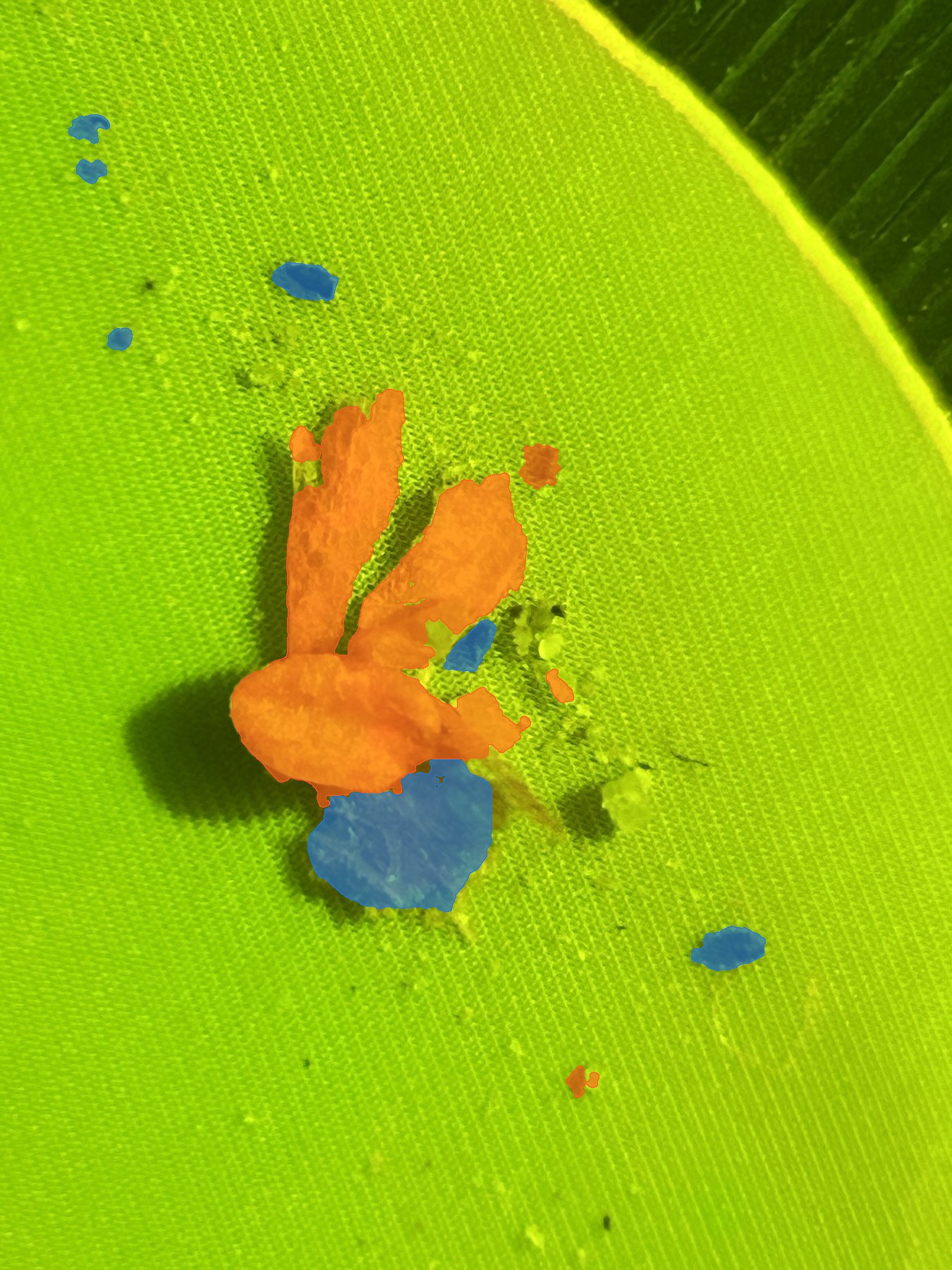
- Projected EPS area
- 4.74 mm²
Measurement details
- Non-EPS area
- 1.90 mm²
- Total particle area
- 6.64 mm²
Before correction, the AI model marked 38.64 mm² of EPS and 24.31 mm² of non-EPS, including parts of the background.
Sample 6b
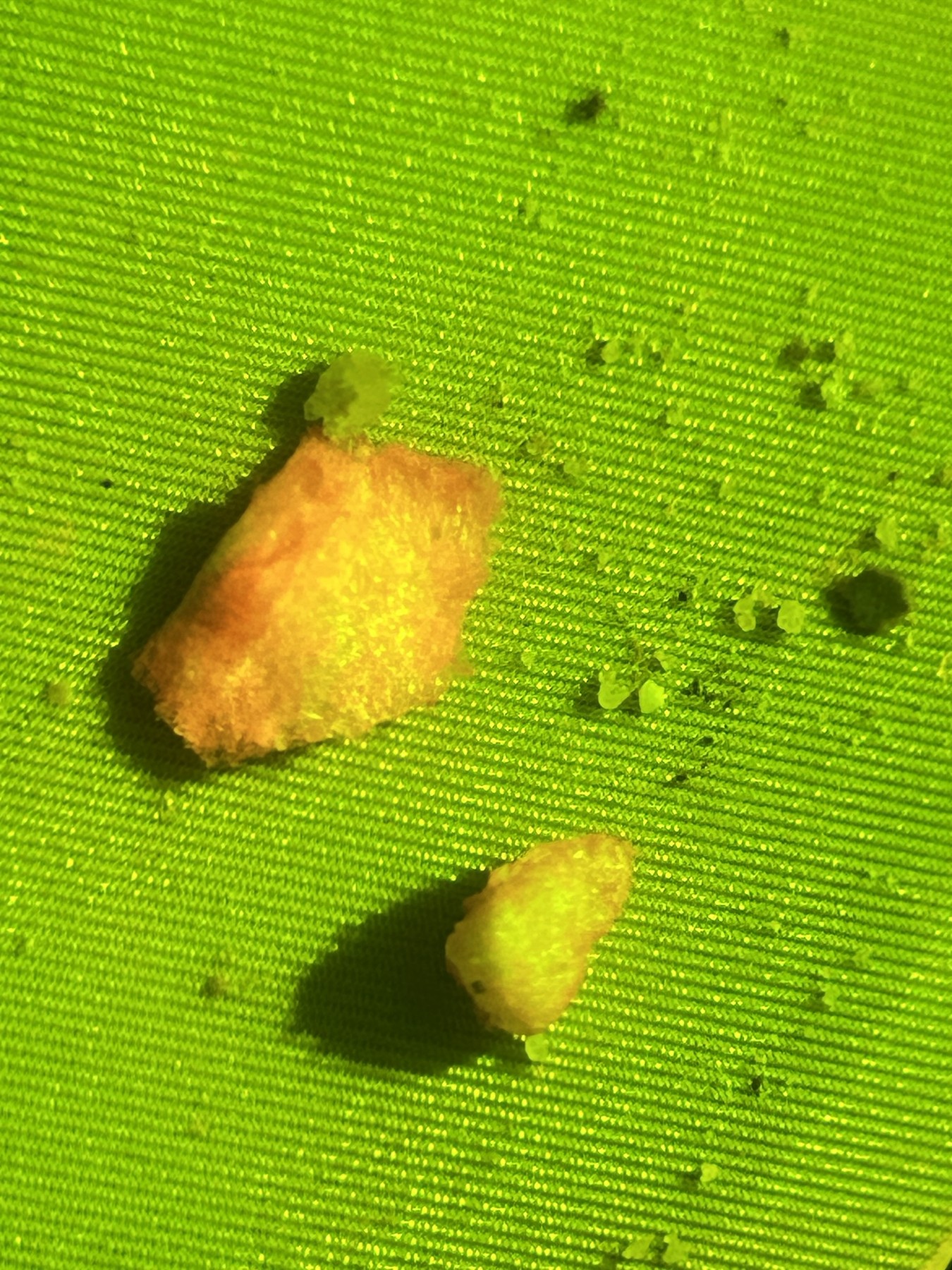
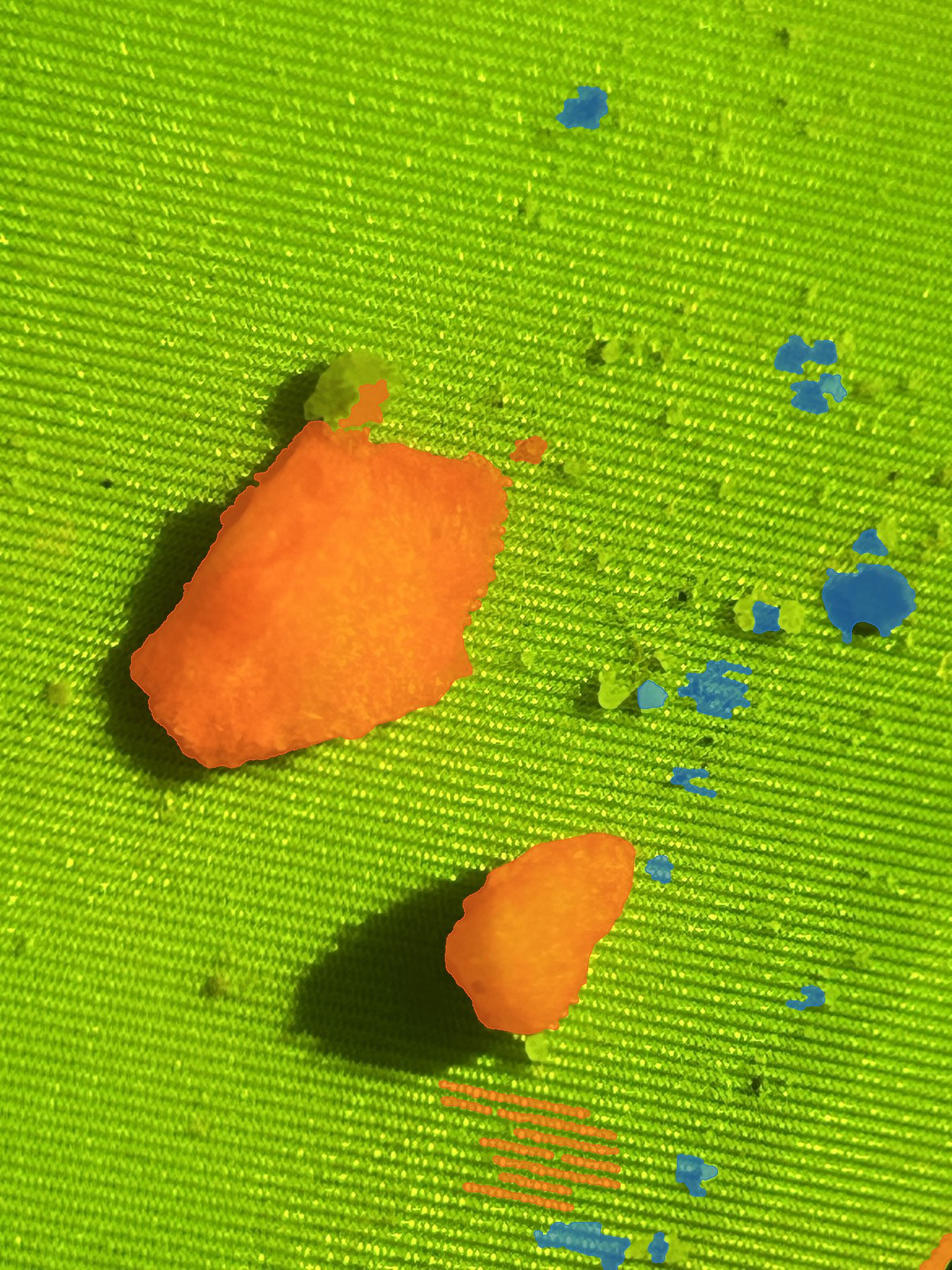
- Projected EPS area
- 8.35 mm²
Measurement details
- Non-EPS area
- 1.35 mm²
- Total particle area
- 9.70 mm²
Before correction, the AI model marked 17.55 mm² of EPS and 27.56 mm² of non-EPS, including parts of the background.
Sample 6c
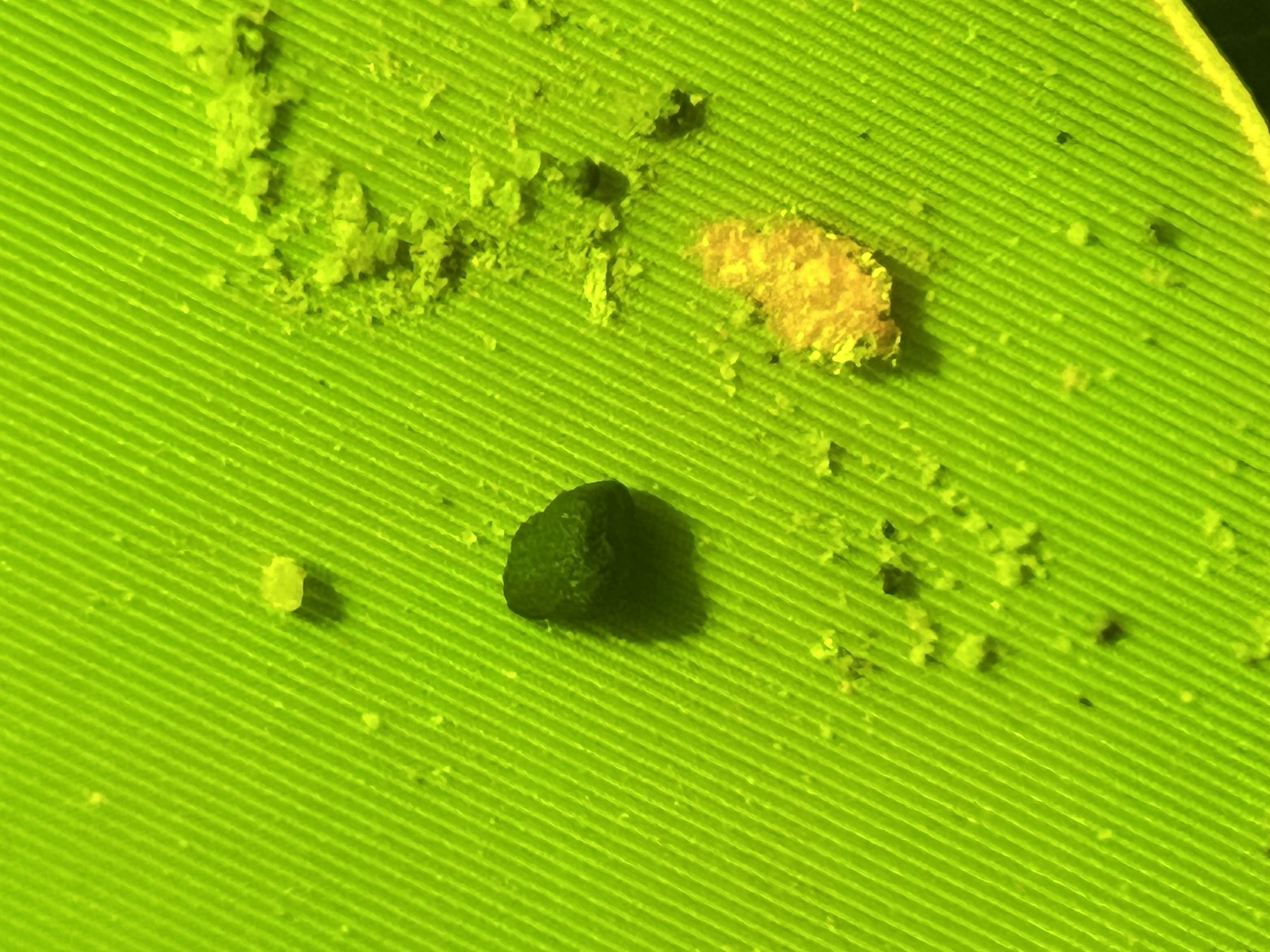
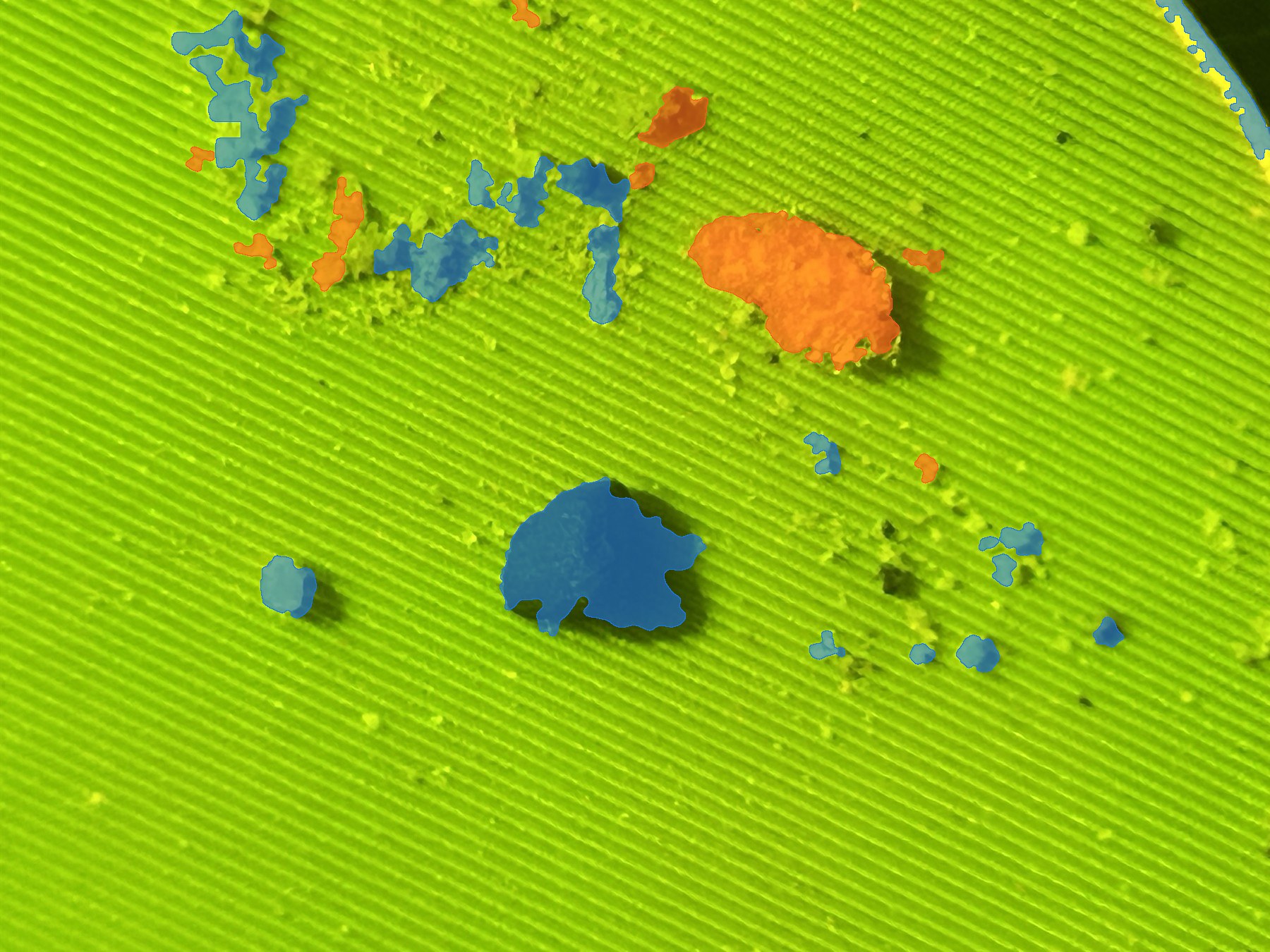
- Projected EPS area
- 1.10 mm²
Measurement details
- Non-EPS area
- 2.12 mm²
- Total particle area
- 3.21 mm²
Before correction, the AI model marked 8.47 mm² of EPS and 17.25 mm² of non-EPS, including parts of the background.
7. Mansões do Lago Norte
View on map →Samples 7a
Sample 7a
Control without EPS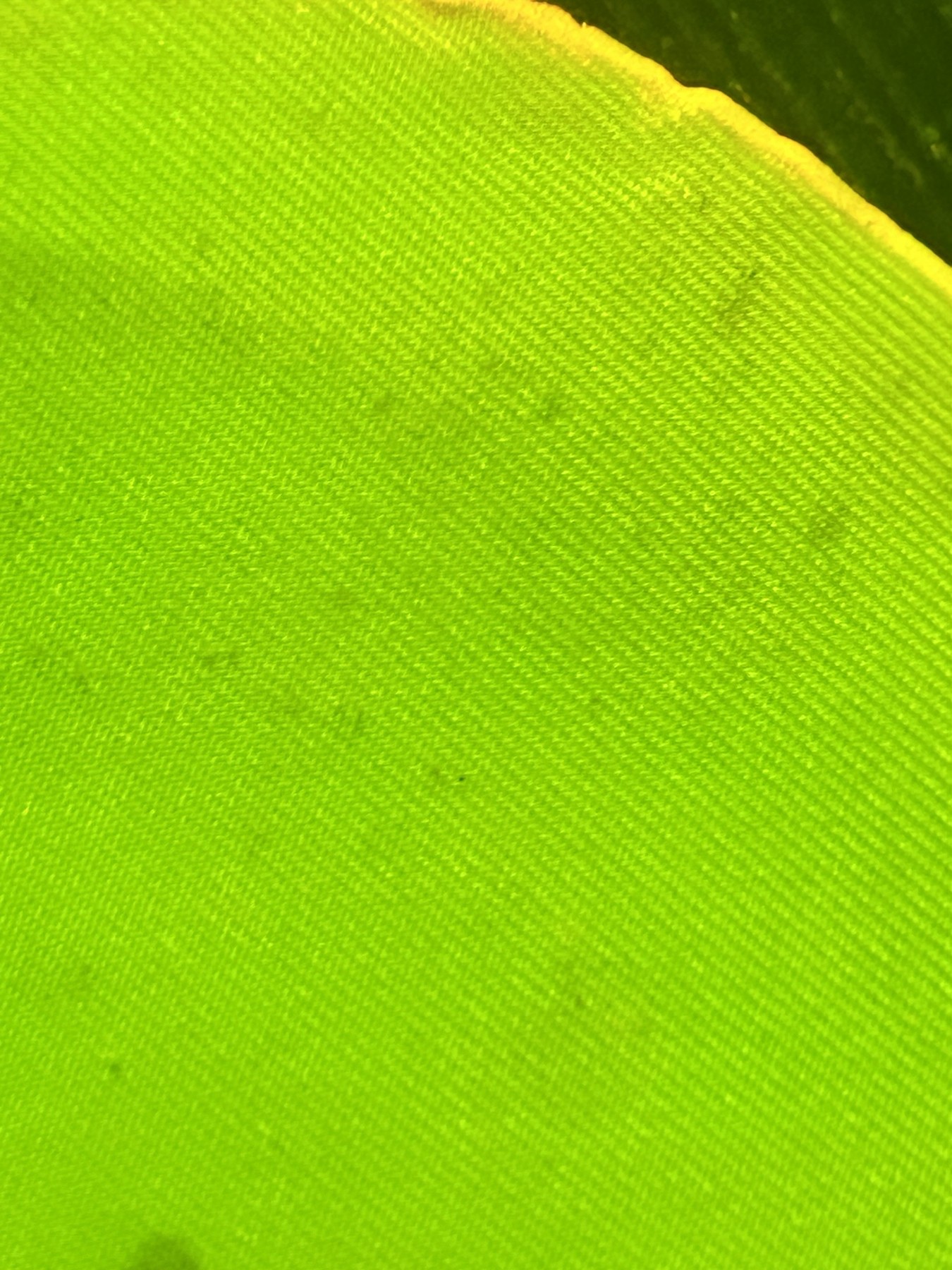
- Reference EPS area
- 0 mm²
Control: a sample known to contain no EPS.
8. Barragem do Paranoá
View on map →Samples 8a
Sample 8a
Control without EPS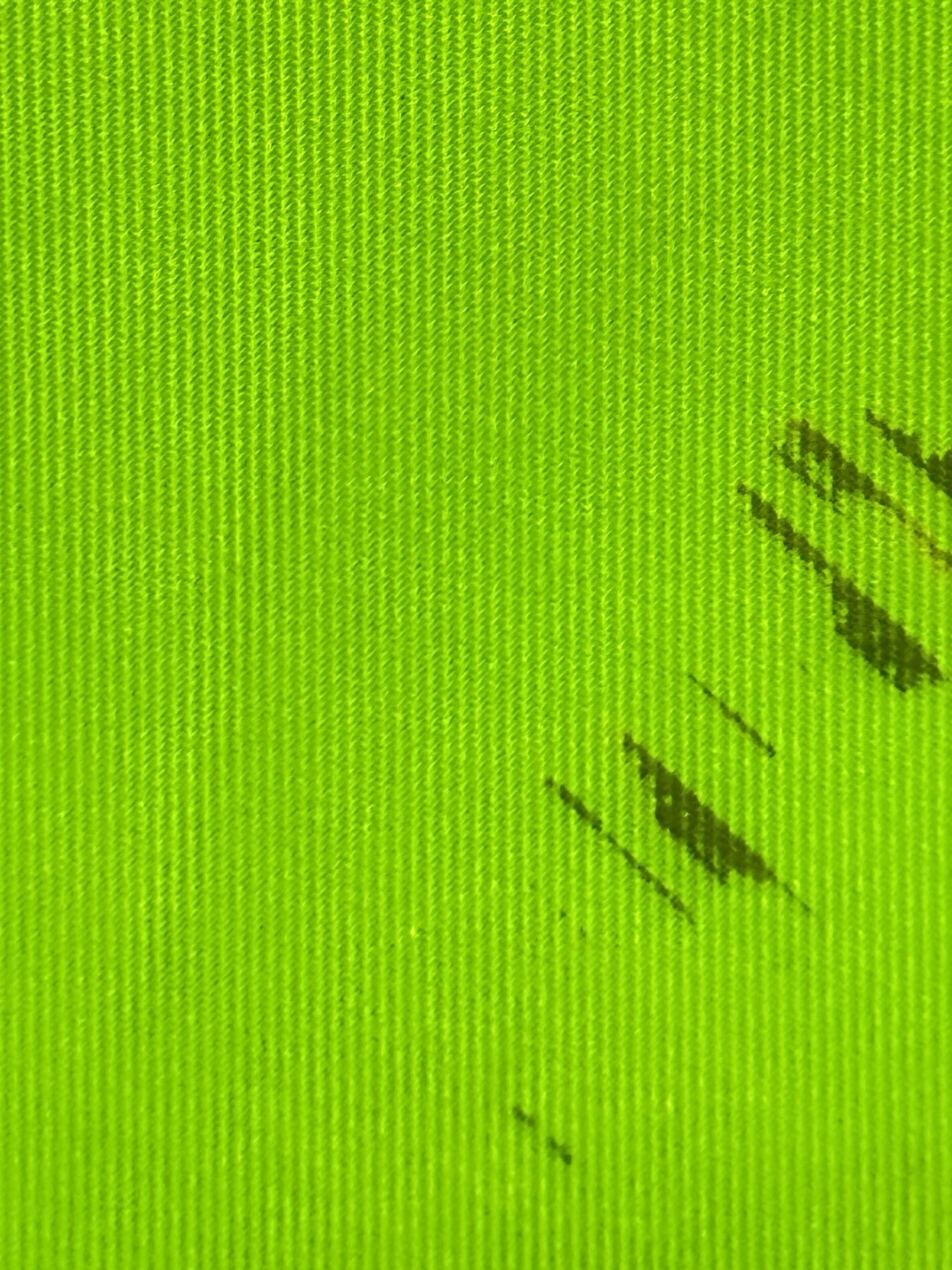
- Reference EPS area
- 0 mm²
Control: a sample known to contain no EPS.
9. Ermida Dom Bosco
View on map →Samples 9a
Sample 9a
Control without EPS
- Reference EPS area
- 0 mm²
Control: a sample known to contain no EPS.